
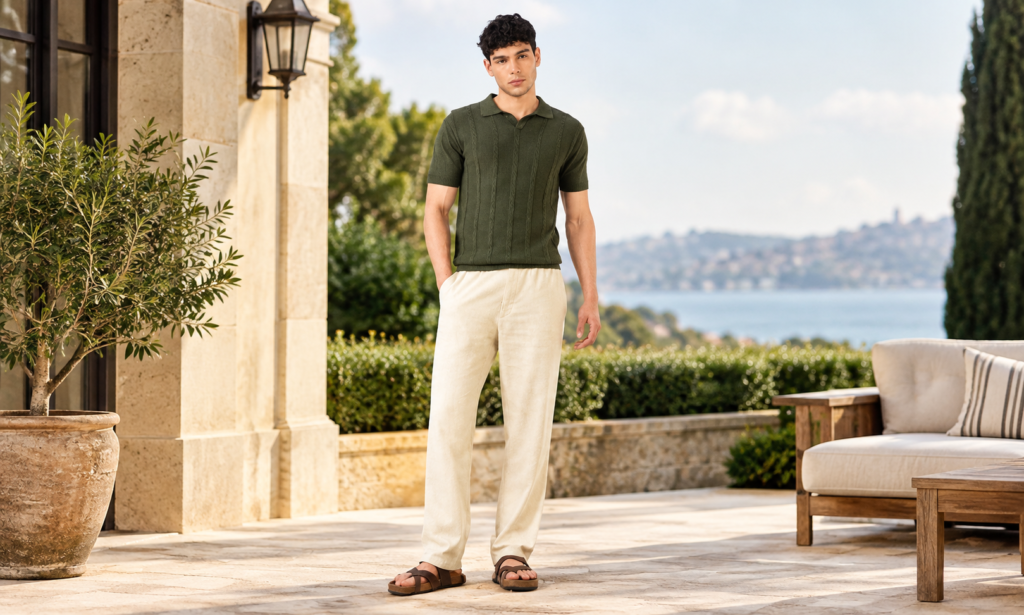

Old money outfits men focus on timeless elegance, understated luxury, and looking well-dressed without flashy logos or expensive-looking accessories. This classic fashion aesthetic draws inspiration from traditional menswear, including tailored blazers, Oxford shirts, fine knitwear, pleated trousers, loafers, and neutral colors.
Old money style appeals because of its simplicity. Rather than chasing every new fashion trend, it focuses on quality fabrics, flattering fits, coordinated colors, and carefully chosen details. You do not need a designer wardrobe to achieve the look. With a few versatile essentials, you can create sophisticated outfits for everyday wear, business settings, vacations, dinner dates, and formal occasions.
Whether you prefer a relaxed summer look or a polished winter ensemble, this guide explores the best old money outfits for men, the essential pieces to own, the colors to choose, and practical ways to build a classic wardrobe on different budgets.
What Is Old Money Style for Men?
Old money style is a menswear aesthetic associated with traditional, understated dressing. It draws on classic European tailoring, Ivy League fashion, country-club clothing, heritage sportswear, and relaxed resort wardrobes.
The modern version is often described as quiet luxury because it emphasizes quality and refinement rather than visible branding. A well-fitted navy blazer, cream trousers, and brown leather loafers can create a sophisticated appearance without a prominent designer logo.
However, old money style is a fashion aesthetic, not a guarantee of wealth or social status. Anyone can adopt its principles by choosing timeless pieces, caring for their clothes, and learning to combine them effectively.
Key Characteristics of Old Money Fashion
- Neutral colors: Navy, beige, cream, white, gray, olive, and brown form the foundation.
- Classic silhouettes: Straight-leg trousers, structured blazers, and clean-fitting shirts create balanced proportions.
- Quality materials: Cotton, linen, wool, cashmere, and leather are popular choices.
- Minimal branding: Choose clothing for its appearance and construction rather than its logo.
- Understated accessories: Leather belts, classic watches, loafers, and simple sunglasses complete the look.
- Versatility: Most pieces can be combined with several other items in your wardrobe.
The goal is to look polished without seeming like you tried too hard.
Best Old Money Outfits for Men
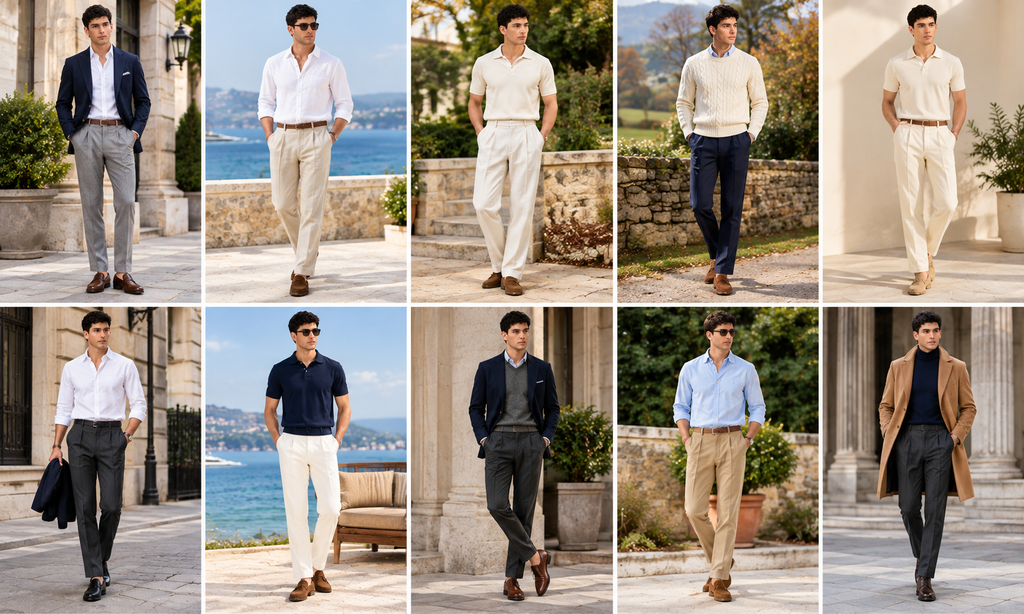
The easiest way to understand this aesthetic is to see how its essential pieces work together. These outfit ideas cover different seasons, occasions, and personal styles.
1. Navy Blazer, White Shirt, and Tailored Trousers
This is one of the most versatile old money outfits for men. A navy blazer paired with a crisp white Oxford shirt, gray trousers, and brown leather loafers creates a refined appearance suitable for business-casual events, dinners, and smart daytime occasions.
Choose a blazer with clean shoulders and a comfortable fit. Keep the shirt simple, add a brown leather belt that coordinates with your shoes, and finish with a classic watch.
2. Beige Trousers and a White Linen Shirt
For warmer weather, combine a white linen shirt with beige trousers and tan loafers. The light color palette feels relaxed while staying sophisticated.
Wear the shirt tucked in for a more polished look or leave it untucked if its length and cut are designed for casual wear. Linen naturally wrinkles, which can add to its relaxed character, as long as the garment stays clean and well maintained.
This outfit works particularly well for vacations, outdoor lunches, seaside dinners, and summer gatherings.
3. Knit Polo and Pleated Trousers
A fine-knit polo offers a more refined alternative to a basic T-shirt. Pair a cream, navy, or dark green polo with pleated trousers and suede loafers for a balanced smart-casual outfit.
The knit’s texture adds visual interest without needing bold prints. Choose trousers that sit comfortably at the waist and fall naturally over your shoes.
This combination works for casual offices, lunch meetings, date nights, and occasions where a full suit feels too formal.
4. Cable-Knit Sweater and Chinos
A cable-knit sweater is a classic choice for cool weather. Wear a cream or oatmeal sweater over a light blue button-down shirt, then combine it with navy or khaki chinos.
The collar can sit neatly above the sweater neckline, while brown loafers or simple leather shoes complete the look. For a slightly more relaxed outfit, choose clean leather sneakers instead.
Avoid excessively bulky knitwear if you want a traditional silhouette. A comfortable, well-shaped sweater layers easily and works across multiple seasons.
5. Monochrome Cream Outfit
A monochrome outfit uses different shades of one color family. For example, combine an ivory polo with cream trousers and beige loafers.
The key is to create subtle contrast through fabric texture and tone. A slightly darker belt or watch strap can prevent the outfit from looking flat.
This combination works especially well for summer events, resort wear, and daytime occasions. If wearing light-colored trousers, choose appropriate underwear and check the fabric’s opacity in natural light.
6. Dark Trousers, a White Shirt, and Loafers
For a simple everyday outfit, pair a white button-down shirt with charcoal trousers and black or brown loafers. This combination is understated, easy to assemble, and works in many smart-casual settings.
A tucked-in shirt adds structure, while a slightly relaxed shirt keeps it less formal. Choose trousers with a clean line rather than distressed or heavily decorated details.
7. Old Money Summer Outfit With a Polo Shirt
A navy polo shirt and white chinos make a practical warm-weather combination. The dark top contrasts with the light trousers, while brown loafers add a traditional finishing touch.
If white trousers are impractical, choose stone, light gray, or beige instead. For casual daytime wear, minimalist sneakers can replace loafers without undermining the overall aesthetic.
8. Blazer, Fine Knit, and Dark Trousers
Layer a navy or brown blazer over a fine-gauge crew-neck sweater, then pair it with tailored dark trousers. This layering adds depth while staying clean and understated.
A charcoal sweater under a navy blazer is especially versatile. Choose lightweight wool or cotton knitwear to avoid unnecessary bulk beneath the jacket.
This outfit suits evening dinners, professional events, and cooler days when a shirt alone isn’t warm enough.
9. Relaxed Weekend Outfit With Chinos
Old money fashion does not require formal clothing every day. A light blue Oxford shirt, khaki chinos, and suede loafers create an easy weekend outfit that still looks intentional.
Roll the sleeves neatly when appropriate, and choose a belt that coordinates with your footwear. You can also replace the loafers with clean canvas or leather sneakers for errands and casual outings.
10. Winter Outfit With a Wool Overcoat
For winter, layer a camel or charcoal wool overcoat over a navy sweater and tailored trousers. Finish the look with brown leather boots or traditional leather shoes.
A structured coat adds shape and works over both formal and casual clothing. Keep the layers underneath relatively simple so the overall silhouette remains balanced.
Essential Clothing Pieces for an Old Money Wardrobe
You do not need dozens of outfits to build this style. A small collection of versatile basics can create many combinations.
Oxford and linen shirts
White and light-blue Oxford shirts work year-round. Linen shirts in white, beige, or pale blue are especially practical for warm weather.
A navy blazer
A versatile blazer adds structure to chinos, tailored trousers, and even some dark, clean jeans.
Tailored trousers and chinos
Start with beige chinos and charcoal or navy trousers. Add cream pleated trousers for more variety.
Classic knitwear
A cream cable-knit sweater and a navy or gray fine-knit sweater provide useful layering options for cooler weather.
Leather or suede loafers
Brown penny loafers are a strong starting point. Add black dress shoes or clean, minimal sneakers if your lifestyle calls for them.
Other useful additions include a simple leather belt, a classic watch, understated sunglasses, a lightweight jacket, and a neutral wool coat.
Best Colors for Old Money Outfits Men
Color coordination is one of the easiest ways to make classic menswear look polished. Instead of relying on strong prints, build outfits around a small group of complementary shades.
Color
Best combinations
Navy White, cream, gray, beige
Beige White, olive, brown, light blue
Cream Navy, chocolate brown, charcoal
White Navy, gray, olive, tan
Gray White, black, navy, burgundy
Olive Cream, beige, white, brown
Brown Cream, light blue, navy, stone
A simple rule: start with two neutral colors and add one shade for contrast. For example, navy trousers, a white shirt, and brown loafers create a coordinated outfit without much effort.
You can also experiment with burgundy, forest green, and muted blue. These colors add personality while maintaining the understated character of traditional menswear.
How to Choose the Right Fit
Fit often matters more than price when creating old money outfits for men. Even inexpensive clothing can look polished when it fits well.
Shirts
The shoulder seams should sit near your natural shoulders, and the chest should allow comfortable movement. Sleeves should end around the wrist, and the shirt shouldn’t pull across the buttons.
Trousers
Choose a waistband that stays in place without digging in. Straight-leg and gently tapered cuts are versatile, while pleats add extra room and a traditional look.
The trouser hem should complement your shoes without creating excessive fabric pooling. A tailor can make relatively simple adjustments that improve the overall silhouette.
Blazers and Jackets
Look for a clean shoulder line, comfortable arm movement, and sleeves that reveal an appropriate amount of shirt cuff. The jacket should close without pulling across the front.
A blazer does not need to be extremely slim to look elegant. A balanced, comfortable fit generally looks more timeless than a tight or exaggeratedly oversized shape.
Old Money Outfits for Men in Summer
Summer dressing requires breathable fabrics and fewer layers. The goal is to stay comfortable while keeping classic menswear’s clean lines.
Linen and lightweight cotton are excellent starting points. They allow airflow and work well in warm, humid conditions, while lightweight trousers offer a more refined alternative to heavy denim.
Consider these combinations:
- White linen shirt, beige trousers, and brown loafers.
- Navy cotton polo, stone chinos, and minimalist sneakers.
- Light blue shirt, cream linen trousers, and suede loafers.
- For casual settings, opt for a beige short-sleeved knit polo, white trousers, and leather sandals.
For hot climates, avoid unnecessary jackets and thick knitwear. Choose breathable fabrics, lighter colors, and comfortable cuts. Linen wrinkles naturally, so focus on keeping the garment clean and presentable rather than trying to eliminate every crease.
Old Money Outfits for Men in Winter
Winter provides more opportunities to introduce texture and layering. Wool trousers, fine-knit sweaters, structured coats, and leather footwear help create depth without relying on bright colors.
Useful winter combinations include:
- Camel overcoat, navy sweater, charcoal trousers, and brown boots.
- Gray wool blazer, white shirt, dark trousers, and leather loafers.
- Cream cable-knit sweater, olive chinos, and brown leather boots.
- Navy overcoat, gray knitwear, and tailored black or charcoal trousers.
Choose layers according to the actual temperature. A lightweight sweater and cotton trousers may be enough in a mild winter, while colder conditions call for heavier wool garments and insulated outerwear.
Old Money Casual Outfits for Men
Casual old money fashion centers on simple, well-maintained basics. You can dress comfortably without depending on oversized logos, heavily distressed jeans, or complicated accessories.
A polo shirt with chinos is an easy everyday formula. Another option is a white T-shirt, straight-leg dark jeans, a lightweight jacket, and clean leather sneakers.
For a slightly more traditional appearance, try a striped Breton-style shirt with navy trousers or a light blue Oxford shirt with beige chinos. Keep the colors coordinated and the footwear clean.
Casual does not have to mean formal. The distinction lies in thoughtful choices, appropriate fit, and the condition of the clothing.
Old Money Formal Outfits for Men
For formal occasions, classic tailoring works better than trying to make every outfit look casual.
A navy or charcoal suit, white dress shirt, understated tie, and polished leather Oxford shoes create a dependable formal combination. For business events, a navy suit with a light blue shirt can provide a slightly softer alternative.
A pocket square may add a subtle finishing touch, but it is optional. Avoid combining too many statement accessories, shiny fabrics, or conspicuous branding.
For weddings and evening events, follow the dress code first. Traditional elegance works best when the outfit respects the occasion rather than forcing one aesthetic into every setting.
How to Build an Old Money Wardrobe on a Budget
You can adopt this style without purchasing luxury designer clothing. The smartest approach is to start with versatile essentials and gradually expand your wardrobe.
1. Buy the Most Versatile Items First
Begin with a white shirt, a light blue shirt, beige chinos, dark trousers, a navy polo, and a pair of simple leather shoes. You can mix and match these pieces in multiple ways before buying more clothing.
2. Prioritize Fit Over Branding
A moderately priced shirt that fits your shoulders and chest properly may look better than an expensive shirt in the wrong size. If necessary, use a local tailor to adjust trouser hems, shirt sleeves, or blazer proportions.
3. Check Fabric and Construction
Read garment labels and inspect stitching, buttons, seams, and fabric weight. Cotton, linen, and wool are good choices, but a natural-fiber label alone doesn’t guarantee quality—the garment’s construction and suitability for your climate matter too.
4. Shop With a Wardrobe Plan
Before buying something new, consider at least three outfits you could create with it. This prevents you from accumulating isolated pieces that do not work with your existing clothes.
5. Maintain Your Clothing
Clean shoes, properly stored knitwear, pressed shirts, and repaired seams help a wardrobe look polished. Follow care instructions and avoid washing delicate garments more frequently than necessary.
How to Wear Old Money Style in Pakistan
Old money fashion works particularly well in Pakistan when fabric choices reflect local weather conditions. In warmer cities, lightweight clothing is more practical than heavy European-style layering for much of the year.
For everyday wear, consider a white or pale blue cotton shirt, beige trousers, and brown loafers. A linen shirt with light chinos is another option for outdoor lunches and casual gatherings.
In cooler weather, a fine-knit sweater, lightweight blazer, or structured jacket adds a classic layered look. In colder northern areas, wool coats and heavier knitwear become more practical.
You can also adapt the aesthetic to local occasions by choosing well-fitted, understated clothing that suits the event. The key is not to copy a particular country’s wardrobe exactly, but to apply timeless color coordination, a good fit, and thoughtful fabric choices to your own lifestyle.
Common Old Money Fashion Mistakes to Avoid
Even simple outfits can lose sophistication when you overlook the details.
- Buying clothes that fit poorly: Oversized or excessively tight garments can disrupt the balanced silhouette.
- Choosing uncomfortable fabrics: Heavy, non-breathable clothing can make warm-weather outfits impractical.
- Overusing beige: Neutral colors work well, but mixing shades and textures keeps outfits from looking flat.
- Wearing dirty footwear: Scuffed shoes can undermine an otherwise carefully coordinated outfit.
- Adding too many accessories: A simple watch and belt are often enough for everyday wear.
- Chasing designer labels: Expensive branding is not a requirement of the aesthetic.
- Dressing in costume: You don’t need a flat cap, a sweater draped over your shoulders, or a blazer every day to achieve the look.
- Ignoring the occasion: A linen shirt and loafers may suit a summer lunch but not a formal business meeting with a strict dress code.
The best outfits feel natural to the person wearing them. Choose elements that suit your age, preferences, body shape, climate, and daily routine.
Conclusion
Old money outfits for men offer a timeless approach to dressing that emphasizes quality, simplicity, and understated elegance. From navy blazers and white Oxford shirts to linen trousers, knit polos, and classic loafers, the style relies on versatile pieces that work together naturally.
To achieve this look, focus on fit, neutral colors, appropriate fabrics, and well-maintained footwear. You do not need an expensive designer wardrobe or a closet full of new clothes. A few carefully selected essentials can create outfits for casual outings, summer vacations, professional settings, and formal events.
Start with the basics, experiment with different combinations, and add new pieces only when they serve a purpose. Ultimately, the most successful old money style is not about pretending to be wealthy. It is about dressing thoughtfully, looking polished, and choosing clothes that remain useful long after short-lived trends disappear.
May you also like: Cargo Pants Outfit
Frequently Asked Questions
1. What are old money outfits for men?
Old money outfits for men are classic, understated clothing combinations built around tailored trousers, Oxford shirts, polos, blazers, knitwear, and traditional footwear. They emphasize neutral colors, quality materials, and minimal branding.
2. How can men dress in old money style on a budget?
Start with versatile basics such as a white shirt, beige chinos, a navy polo, dark trousers, and simple leather shoes. Prioritize fit, durability, and mix-and-match pieces instead of expensive designer labels.
3. What colors are best for old money outfits?
Navy, white, cream, beige, gray, brown, olive, and light blue work well. These shades coordinate easily and create a timeless appearance without requiring bold patterns or bright colors.
4. What shoes do men wear with old money outfits?
Penny loafers, suede loafers, leather Oxford shoes, and clean minimalist sneakers are common choices. The best option depends on the occasion, the outfit’s formality, and the weather.
5. What should men wear for an old money summer outfit?
A lightweight linen shirt, beige or cream trousers, and brown loafers make a classic summer combination. Cotton polos, lightweight chinos, and simple leather sandals are also suitable for relaxed warm-weather settings.
6. Can old money style be worn casually?
Yes. A polo shirt with chinos, an Oxford shirt with dark jeans, or a simple T-shirt with tailored trousers can create a relaxed version of the aesthetic. Clean footwear, balanced proportions, and restrained colors help maintain the look.
7. Is old money fashion still in style in 2026?
Classic menswear remains a useful foundation for building a wardrobe, even as individual trends change. Old money fashion still appeals to men who prefer versatile clothing, understated details, and traditional silhouettes over highly trend-driven outfits.



Pingback: Cute Business Casual Outfits: Stylish, Chic, and Effortless Looks for Every Day - trendingscoop.co.uk