
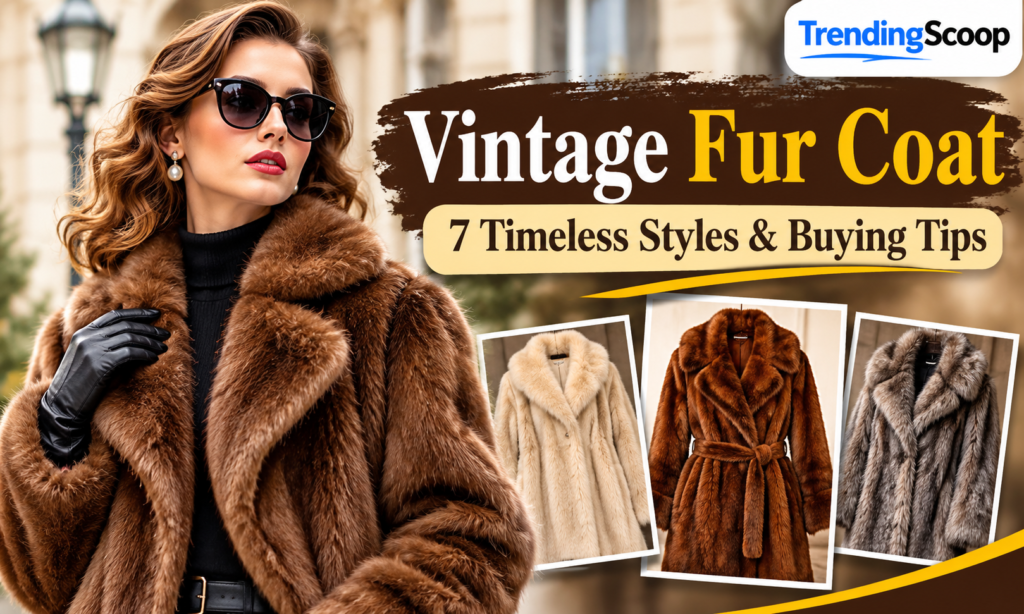

A vintage fur coat is more than an outerwear piece. It represents a distinctive fashion era, traditional craftsmanship, and a timeless approach to personal style. From glamorous Hollywood-inspired outfits to sophisticated winter wardrobes, vintage fur coats have maintained their place in fashion despite changing trends and evolving attitudes toward luxury clothing.
Whether found in a secondhand boutique, inherited from a family member, or purchased from a vintage clothing store, these coats offer a unique look that modern mass-produced outerwear doesn’t always replicate. Their distinctive textures, silhouettes, and historical details appeal to collectors, fashion enthusiasts, and people looking for statement winter clothing.
However, buying and wearing vintage fur also involves important considerations, including material identification, condition, maintenance, ethical concerns, and local regulations. Understanding these factors can help shoppers make informed decisions and choose a coat that suits their wardrobe and values.
What Is a Vintage Fur Coat?
A vintage fur coat is an older outerwear garment made from animal fur or designed to imitate the appearance and texture of natural fur. These garments often come from earlier fashion periods, including the 1920s, 1930s, 1940s, 1950s, 1960s, and 1970s.
Unlike many contemporary coats, vintage examples may feature traditional construction techniques, distinctive linings, decorative collars, and silhouettes associated with the fashion trends of their original decades.
Some vintage fur coats were designed for everyday winter use, while others were considered luxury fashion items reserved for formal occasions and special events.
The term vintage generally refers to clothing that is at least 20 years old, although definitions can vary between sellers and collectors. A coat’s actual age, material, and manufacturing history are more important than simply relying on a vintage label.
The History of Vintage Fur Coats
Fur has been used for clothing throughout human history because of its insulating properties. Over time, it also became associated with wealth, social status, and fashion.
Fur Fashion in the 1920s and 1930s
During the 1920s, fashion became increasingly influenced by modern silhouettes and glamorous eveningwear. Fur accessories and coats were popular among women who wanted to complement fashionable dresses and elegant outfits.
The 1930s introduced more structured outerwear, including longer coats, luxurious collars, and carefully tailored designs. Fur-trimmed garments became particularly recognizable features of fashionable winter dressing.
The Glamorous 1940s and 1950s
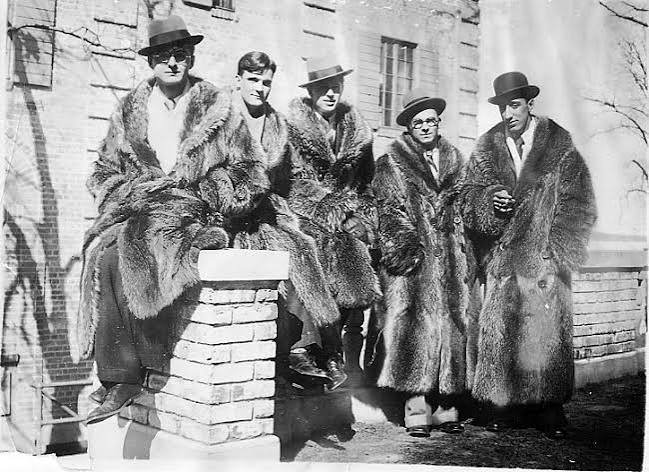
The 1940s and 1950s were important periods for traditional fur fashion. Hollywood films, celebrity photography, and luxury department stores helped establish fur coats as symbols of elegance.
Popular designs included full-length coats, oversized collars, fitted waists, and shorter jackets.
Women frequently styled these pieces with dresses, gloves, handbags, and formal footwear. The resulting appearance became closely associated with classic mid-century glamour.
The 1960s and 1970s
Fashion became more experimental during the 1960s and 1970s. Fur coats appeared in different colors, lengths, and shapes, reflecting the changing attitudes toward personal style.
Shorter jackets, relaxed silhouettes, shaggy textures, and statement collars became increasingly recognizable.
The 1970s also introduced more casual styling possibilities. Fur-inspired outerwear could be paired with jeans, boots, skirts, and everyday clothing rather than being limited to formal occasions.
Popular Types of Vintage Fur Coats
Vintage fur coats come in several styles, each offering a different appearance and wearing experience.
1. Vintage Mink Fur Coat
Mink coats are among the most recognizable traditional luxury fur garments. They are known for their relatively short, dense texture and smooth appearance.
Mink coats were particularly associated with mid-century luxury fashion. Vintage examples can feature fitted designs, wide collars, decorative buttons, and full-length silhouettes.
Their look makes them recognizable statement pieces, but buyers should carefully identify the material and consider the ethical implications of buying real animal fur.
2. Vintage Fox Fur Coat
Fox fur garments are generally recognized for their fuller appearance and longer individual fibers.
Vintage fox fur coats can feature voluminous collars, dramatic sleeves, and textured surfaces. Some designs were made entirely from fox fur, while others used it as decorative trim.
Their bold appearance makes them suitable for statement winter outfits.
3. Vintage Rabbit Fur Coat
Rabbit fur has historically been used in various types of outerwear because of its soft texture.
Vintage rabbit fur coats may feel lighter than some heavier traditional fur garments. They are available in different colors, lengths, and construction styles.
However, older rabbit fur garments require careful inspection because deterioration can affect their usability.
4. Vintage Shearling Coat
Shearling coats are made using sheepskin or lambskin with the wool retained on one side.
They often have a distinctive appearance, with soft wool interiors and leather or suede exterior surfaces.
Vintage shearling coats are popular among people interested in classic winter fashion, particularly styles associated with aviator jackets and traditional cold-weather clothing.
5. Vintage Faux Fur Coat
A vintage faux fur coat uses synthetic materials rather than animal fur.
Older faux fur garments can offer distinctive textures, colors, and silhouettes that reflect the fashion trends of their original decades.
They are an option for shoppers who want a fur-inspired appearance without purchasing animal-derived fur. However, vintage synthetic materials can also deteriorate over time and should be inspected before buying.
Why Are Vintage Fur Coats Popular?
Vintage fur coats continue to attract attention for several reasons.
Timeless Appearance
Many vintage designs have distinctive shapes and textures that remain recognizable across different fashion periods.
A classic coat can complement both traditional and contemporary outfits, making it a versatile statement piece.
Unique Designs
Vintage clothing often features details less common in modern mass-produced garments.
These may include unusual collars, decorative closures, carefully constructed linings, and distinctive sleeve shapes.
For people who enjoy individual fashion choices, these details can make vintage outerwear particularly appealing.
Historical Character
Every vintage garment comes from a particular period of fashion history.
A coat from the 1950s may have a completely different silhouette from one made during the 1970s. These differences give vintage clothing its historical character.
Secondhand Fashion
Buying pre-owned clothing can extend the useful life of an existing garment.
For shoppers looking to reduce unnecessary clothing purchases, vintage fashion offers an opportunity to explore secondhand alternatives.
However, the environmental impact depends on the garment’s material, condition, transportation, maintenance, and eventual disposal.
How to Style a Vintage Fur Coat
One reason vintage fur coats remain recognizable is their ability to transform an outfit. Even a simple outfit can look more distinctive when paired with statement outerwear.
Pair It With Jeans
A vintage fur coat can create an interesting contrast with everyday denim.
Try wearing a shorter coat with straight-leg or wide-leg jeans, a simple sweater, and ankle boots.
This combination balances the coat’s dramatic appearance with relaxed clothing.
Wear It With a Black Dress
For a classic evening outfit, combine a vintage fur coat with a simple black dress.
The contrast between the coat’s texture and the dress’s clean lines creates an elegant look.
Minimal jewelry and understated footwear can complete the look.
Create a Winter Street-Style Outfit
For a more casual approach, wear a vintage coat with fitted trousers, a turtleneck, and knee-high boots.
A structured handbag can add another polished detail without making the outfit look overly complicated.
Style It With Neutral Colors
Neutral colors such as black, cream, gray, beige, and brown work particularly well with many vintage outerwear designs.
A neutral outfit also allows the coat’s texture and silhouette to become the main visual feature.
Try a 1970s-Inspired Look.
For a retro appearance, pair a vintage fur-inspired jacket with flared jeans, platform footwear, and a fitted top.
This combination reflects the relaxed and expressive styling associated with 1970s fashion.
How to Identify an Authentic Vintage Fur Coat
Before purchasing a vintage fur coat, it is important to understand what you are buying.
Examine the Material
Natural fur and synthetic faux fur can sometimes look similar in photographs.
A professional furrier or qualified textile specialist can help identify the material. Avoid relying entirely on online descriptions or a seller’s assumptions.
Check the Lining
The lining can provide useful information about the garment’s construction and condition.
Look for loose stitching, damaged fabric, discoloration, stains, and signs of previous repairs.
Some coats also contain manufacturer labels or information that may help establish their origin.
Inspect the Overall Construction
Pay attention to the collar, sleeves, seams, closures, pockets, and hemline.
Traditional garments may have construction details that differ from contemporary outerwear.
However, construction alone cannot establish a coat’s exact age or authenticity.
Look for Signs of Deterioration
Older natural fur can become dry, brittle, or fragile.
Warning signs include excessive shedding, unpleasant odors, bald patches, damaged leather backing, and areas where the material breaks easily.
A coat with serious deterioration may require specialist attention and may not be suitable for regular wear.
What to Consider Before Buying a Vintage Fur Coat
Purchasing vintage outerwear requires more consideration than choosing an ordinary winter jacket.
Condition and Wearability
Always prioritize condition over appearance.
A beautiful coat may have hidden structural problems that affect its durability. Ask the seller about repairs, storage conditions, and any known damage.
Size and Fit
Vintage sizing is not always consistent with modern clothing sizes.
Check the actual measurements of the shoulders, chest, sleeves, waist, and overall length.
Remember that a winter coat should provide enough room for layering.
Material and Origin
Ask whether the coat is made from real fur, faux fur, or shearling.
If the seller provides information about its manufacturing date or origin, request supporting documentation when available.
Price and Value
The price of a vintage fur coat depends on its material, condition, design, age, provenance, and market demand.
An older coat is not automatically valuable simply because it is described as vintage.
Compare similar garments and consider professional inspection before paying a premium.
Ethical and Legal Considerations
Animal welfare is an important consideration when shopping for fur garments.
Some buyers prefer pre-owned fur because they are purchasing an existing garment rather than commissioning a newly manufactured one. Others choose not to wear animal fur regardless of its age.
There are also restrictions on the sale and importation of certain animal-derived products in different countries. Protected species and wildlife-trade regulations may apply, particularly to older garments with uncertain origins.
Buyers should check applicable local laws and obtain reliable material information before making a purchase.
How to Care for a Vintage Fur Coat
Proper storage and maintenance can help protect an older coat from unnecessary damage.
Use Appropriate Storage
Natural fur generally requires a cool, dry, and well-ventilated storage environment.
Avoid prolonged exposure to direct sunlight, excessive heat, and moisture.
For valuable natural fur, consult a specialist about professional cold storage.
Avoid Household Cleaning Products
Ordinary detergents, strong chemicals, and household cleaning solutions can damage delicate materials.
Do not attempt aggressive stain removal without understanding the fabric and construction.
Protect It From Moths and Pests
Natural materials can attract insects and may become damaged during long periods of storage.
Keep storage areas clean and inspect the garment periodically.
Avoid applying mothballs or scented products directly to delicate fur unless a qualified professional recommends it.
Use Professional Cleaning Services
Natural fur and delicate vintage garments require specialist care.
A professional cleaner experienced in vintage fur can assess the material and recommend appropriate treatment.
Handle It Carefully
Avoid pulling, aggressive brushing, or unnecessary pressure on fragile areas.
When hanging the coat, use a suitable broad, supportive hanger rather than a thin wire hanger.
Vintage Fur Coat vs. Modern Faux Fur Coat
Both vintage fur and contemporary faux fur have their own characteristics.
Feature Vintage Fur Coat Modern Faux Fur Coat
Material May contain animal fur Synthetic fibers
Appearance Depends on original design and material Available in many textures.
Age Usually at least 20 years old Usually contemporary
Maintenance May require specialist care Depends on fabric
Availability Vintage stores and secondhand markets Fashion retailers
Ethical considerations Depends on material and purchasing values Avoids animal fur
Neither option is automatically suitable for every shopper. The best choice depends on personal values, budget, intended use, and material preferences.
Where to Find Vintage Fur Coats
Vintage fur coats can be found through several types of secondhand and specialist retailers.
Vintage Clothing Boutiques
Specialist vintage stores often carry clothing from different fashion decades.
Some shops focus on luxury garments and may provide more detailed information about their collections.
Thrift Stores
Thrift shops can offer affordable secondhand clothing, although their selection varies considerably.
Finding a genuine vintage fur coat may require patience and regular visits.
Online Secondhand Marketplaces
Online resale platforms provide access to a wider selection of vintage clothing.
However, buyers should carefully review photographs, descriptions, seller ratings, return policies, and material information.
Ask for additional photographs of the lining, labels, seams, and areas showing wear.
Estate Sales and Auctions
Estate sales and auctions sometimes include older clothing and accessories from private collections.
These venues can provide access to garments with interesting histories, although their age and materials should be independently verified when possible.
Are Vintage Fur Coats Still Fashionable?
Vintage fur coats remain relevant in fashion because of their recognizable shapes, textures, and historical appeal.
Retro-inspired styling regularly draws attention to outerwear from earlier decades. Designers and fashion enthusiasts continue to explore oversized collars, textured jackets, dramatic silhouettes, and vintage-inspired materials.
However, modern attitudes toward animal welfare and sustainable fashion have changed the conversation surrounding real fur.
As a result, faux fur, vintage-inspired synthetic fabrics, and secondhand alternatives are important parts of contemporary outerwear collections.
The popularity of vintage style does not mean that every vintage fur garment is appropriate for every situation. Personal preference, ethical considerations, and local regulations remain important.
Conclusion
A vintage fur coat offers a distinctive combination of fashion history, traditional design, and individual style. Whether it comes from the glamorous 1950s, the expressive 1970s, or another fashion period, its silhouette and texture can make it an interesting addition to a winter wardrobe.
Before purchasing one, consider its material, condition, fit, authenticity, maintenance requirements, and ethical implications. Natural fur requires particular attention, while faux fur and other alternatives offer additional choices.
Ultimately, the best vintage outerwear is not simply the oldest or most expensive piece. It is a well-preserved garment that suits your personal style, practical needs, and values.
May you also like: Alien Mask
Frequently Asked Questions
1. What is considered a vintage fur coat?
A vintage fur coat is generally an older coat, commonly at least 20 years old, made from natural animal fur or vintage synthetic fur-like materials. Its design often reflects the fashion trends and construction techniques of an earlier period.
2. Are vintage fur coats still fashionable?
Yes. Vintage fur coats remain popular among people interested in retro fashion, statement outerwear, and historical clothing. Faux fur and vintage-inspired alternatives also offer ways to achieve similar styling.
3. How can you tell if a vintage fur coat is real?
Material identification can be difficult through photographs alone. A qualified furrier or textile specialist can examine the fibers, backing, and construction to help determine whether the coat contains natural or synthetic fur.
4. How much is a vintage fur coat worth?
Its value depends on material, condition, age, design, provenance, and market demand. Some coats have collectible value, while others are primarily valued as secondhand clothing. Professional appraisal may be useful for expensive pieces.
5. How should you store a vintage fur coat?
Store it in a cool, dry, well-ventilated environment away from direct sunlight and excessive heat. Valuable natural fur may benefit from professional storage and specialist maintenance.
6. Can you wear a vintage fur coat casually?
Yes. A vintage fur coat can be styled with jeans, sweaters, boots, and simple everyday clothing. Combining statement outerwear with understated pieces creates a balanced casual outfit.
7. Is vintage faux fur a good alternative to real fur?
Vintage faux fur can be an appealing alternative for people who prefer not to wear animal fur. It offers different textures and retro designs, although older synthetic materials should also be checked for deterioration before purchase.