
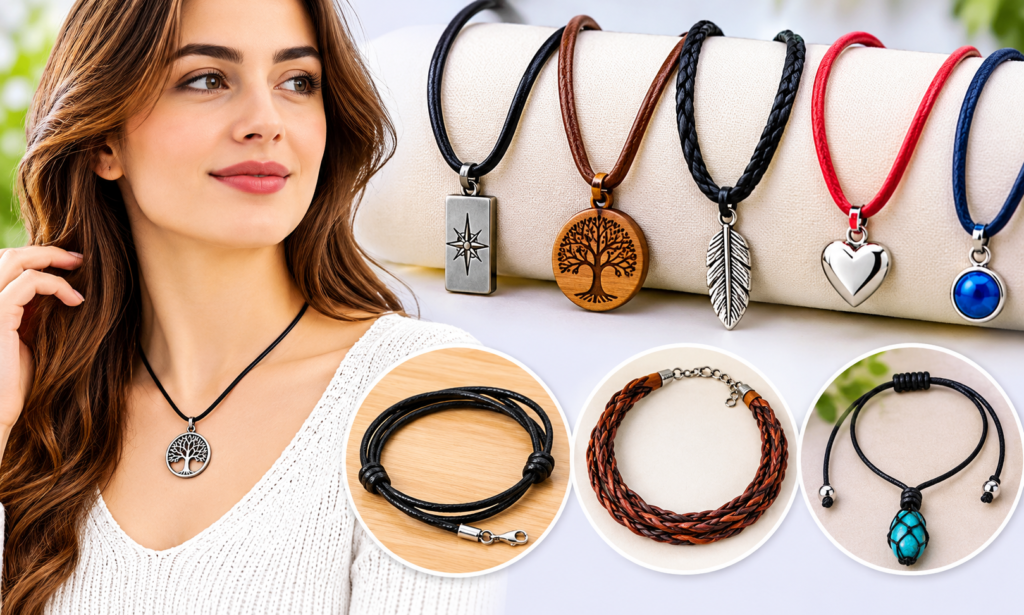

A cord necklace is a versatile jewelry accessory that combines simplicity, comfort, and personal style. Unlike traditional metal chains, cord necklaces are made from flexible materials such as leather, cotton, nylon, silk, waxed cord, or synthetic fibers. Their simple appearance makes them suitable for everyday outfits, handmade jewelry, pendants, and fashion accessories.
Whether someone prefers a minimalist look, a natural style, or a necklace with a meaningful pendant, a cord necklace offers plenty of options. Wear it alone for a clean look or layer it with other necklaces for a more personalized style.
Cord necklaces are also popular among DIY jewelry lovers because they are relatively easy to customize. Different colors, thicknesses, lengths, and closure styles allow wearers to create combinations that reflect their individual preferences.
In this guide, we explore what a cord necklace is, the different types available, the materials used to make them, how to style one, and what to consider when choosing the right necklace.
What Is a Cord Necklace?
A cord necklace is a type of necklace made primarily from a flexible cord instead of a conventional metal chain. The cord forms the necklace’s main structure and can be worn on its own or used to support a decorative pendant, charm, bead, or other jewelry element.
It come in many designs, from simple black strings to colorful braided pieces and premium leather necklaces. Some feature adjustable sliding knots, while others use metal clasps, hooks, or magnetic closures.
One of the biggest advantages of this jewelry style is its adaptability. A basic cord can create a casual everyday accessory, while a carefully selected cord paired with a gemstone or pendant can produce a more elegant appearance.
Different Types of Cord Necklaces
Cord necklaces come in several varieties. Their appearance, durability, and comfort depend largely on the material and construction.
1. Leather Cord Necklace
Leather cord necklaces are known for their natural texture and slightly rugged appearance. They come in black, brown, tan, and other earthy shades.
These necklaces work particularly well with metal pendants, wooden beads, natural stones, and simple decorative charms.
Both genuine and synthetic leather are available. Genuine leather may develop a different appearance with use, while synthetic alternatives can offer a more affordable option.
However, keep leather away from excessive moisture, as water and humidity can affect its appearance and condition.
2. Cotton Cord Necklace
Cotton cord necklaces are lightweight, comfortable, and suitable for casual jewelry designs.
They come in many colors and thicknesses, making them useful for handmade accessories and simple pendant necklaces.
People often choose cotton cords for their soft texture and natural look. You can also use them in macramé jewelry, where knots create decorative patterns.
One consideration is that untreated cotton may absorb moisture and become stained more easily than some synthetic materials.
3. Nylon Cord Necklace
Nylon cord necklaces are valued for their strength, flexibility, and relatively smooth surface.
Nylon is commonly used in jewelry-making projects because it handles regular movement and comes in different thicknesses and colors.
This material is especially useful for necklaces that need a lightweight but durable cord.
Depending on its construction, nylon may look smooth, braided, or slightly glossy.
4. Silk Cord Necklace
Silk cord necklaces offer a softer, more refined look. Their smooth texture makes them suitable for delicate pendants, beads, and decorative jewelry.
Silk is often associated with elegant handmade jewelry because it creates a graceful finish.
However, silk requires more careful handling than many synthetic alternatives. Moisture, friction, and prolonged exposure to sunlight can affect it.
5. Waxed Cord Necklace
Waxed cord is commonly used in handmade jewelry. The wax coating gives the cord a slightly firmer texture and helps it maintain its shape.
It comes in different colors and thicknesses and is especially popular in macramé necklaces and adjustable jewelry designs.
You can use waxed cords with wooden beads, gemstones, metal charms, and other decorative elements.
6. Satin Cord Necklace
Satin cord necklaces have a smooth, shiny surface that gives them a softer, more decorative look.
They are often used for lightweight pendants and fashion jewelry.
Satin cords can create an elegant look without requiring a traditional metal chain. However, their suitability depends on the pendant’s weight and the cord’s quality.
Popular Cord Necklace Styles
Beyond material choices, cord necklaces also come in different designs. Understanding these styles can make it easier to find one that matches a particular outfit or occasion.
Minimalist Cord Necklace
A minimalist cord necklace features a simple cord with little or no decoration.
It may include a small pendant, a subtle charm, or a clean knot closure. This style suits people who prefer understated accessories.
Minimalist necklaces pair easily with everyday clothing and other jewelry.
Pendant Cord Necklace
Pendant cord necklaces feature a decorative object attached to the cord.
Popular pendant choices include:
- Heart-shaped pendants
- Geometric designs
- Gemstones and crystals
- Religious symbols
- Initial pendants
- Nature-inspired charms
- Personalized metal pendants
The cord provides a simple background that allows the pendant to stand out.
Adjustable Cord Necklace
An adjustable cord necklace includes a sliding knot or another adjustable mechanism that allows the wearer to change its length.
This design is convenient because you can position the necklace at different heights depending on the outfit or pendant.
Adjustable necklaces are also useful for handmade jewelry because they can accommodate different preferences without requiring multiple fixed sizes.
Braided Cord Necklace
Braided cord necklaces are made by weaving multiple strands together.
The braided construction creates additional texture and visual interest. These necklaces are often available in leather, cotton, nylon, and other flexible materials.
You can wear them alone or pair them with a decorative pendant.
Choker Cord Necklace
A cord choker sits relatively close to the neck and creates a simple, contemporary appearance.
It can be made from thin leather, cotton, velvet-like material, or other flexible cords.
Choker necklaces pair well with casual tops, dresses, and layered jewelry combinations.
Materials Used in Cord Necklace Pendants
The cord is only one part of the necklace. The pendant, or decorative element, also influences the necklace’s overall appearance.
Some common pendant materials include:
Stainless steel: A popular choice for modern jewelry because it’s durable and generally corrosion-resistant.
Sterling silver: Offers a classic metallic appearance and works well with both casual and formal designs.
Natural stones: Gemstones and other decorative stones add color, texture, and individuality.
Wood: Wooden pendants create a natural, relaxed appearance and are frequently used in handcrafted accessories.
Glass: Glass pendants can feature different colors, patterns, and decorative finishes.
Ceramic: Ceramic pendants offer distinctive shapes and artistic designs.
When choosing a pendant, consider its weight. A heavy pendant may require a thicker or stronger cord for proper support.
How to Choose the Right Cord Necklace
Choosing a cord nacklace involves more than selecting an attractive design. Material, length, thickness, comfort, and intended use all matter.
Consider the Material
Start by choosing the cord material that best suits your needs.
- Choose leather for a classic, rugged look.
- Choose cotton for a soft, casual style.
- Choose nylon for a practical, flexible option.
- Choose silk for delicate and elegant designs.
- Choose waxed cord for handmade and macramé jewelry.
- Choose satin for a smooth, decorative finish.
The best material depends on personal preferences and how often you’ll wear the necklace.
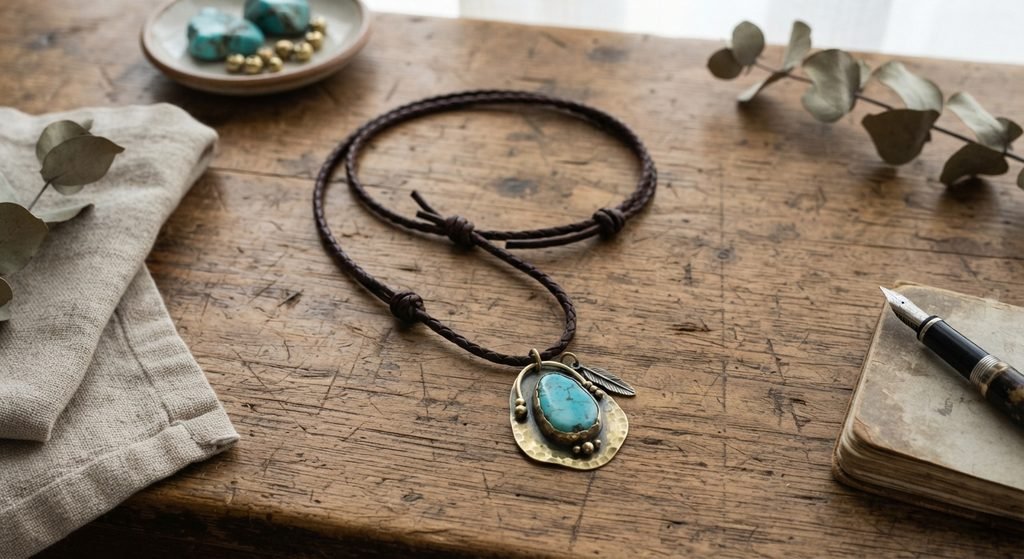
Select the Appropriate Length
Necklace length affects how the accessory sits and how it complements clothing.
Common necklace length categories include:
Necklace Style Approximate Length
Choker 14–16 inches
Princess 17–19 inches
Matinee 20–24 inches
Opera 28–36 inches
These measurements are general jewelry guidelines. Actual positioning varies depending on neck size, body proportions, and necklace construction.
Adjustable cord necklaces offer added flexibility because you can change their length.
Choose the Right Thickness
Cord thickness should match the pendant and the overall design.
A thin cord works well with lightweight charms and delicate pendants. A thicker cord may suit larger decorative pieces.
Also check the cord’s construction and weight capacity rather than judging strength by thickness alone.
Check the Closure
Different cord necklaces use different closure systems.
Common options include:
- Sliding knots
- Lobster clasps
- Spring-ring clasps
- Toggle closures
- Magnetic clasps
- Simple tied ends
Sliding knots are especially convenient when you prefer an adjustable design.
How to Style a Cord Necklace
One reason cord necklaces remain popular is their styling flexibility. They can complement different clothing styles without looking overly complicated.
With Casual Outfits
A simple cord necklace can add a little detail to a T-shirt, casual shirt, or everyday outfit.
Black and brown cords pair easily with neutral clothing, while colorful options can add contrast.
With Formal Clothing
For a more polished appearance, choose a thin cord with a subtle silver, gold-tone, or gemstone pendant.
Avoid overly bulky designs if you want to maintain a clean, refined look.

With Layered Necklaces
You can pair cord necklaces with metal chains and other accessories to create a layered style.
Try combining different lengths so that each necklace remains visible.
For example, pair a short cord choker with a longer pendant chain. Keeping the colors and materials coordinated helps prevent the combination from looking crowded.
With Bohemian Fashion
Braided cords, natural stones, wooden pendants, and earthy colors work particularly well with bohemian-inspired clothing.
These designs complement relaxed outfits, patterned dresses, and natural fabrics.
For Everyday Wear
A lightweight cord with a small pendant is a practical everyday choice.
Choose a comfortable material and an easy-to-manage closure. If you’ll wear the necklace regularly, consider durability and maintenance in addition to appearance.
Are Cord Necklaces Suitable for Men and Women?
Yes.It suit anyone who enjoys this style of jewelry.
Men often choose leather or darker braided cords with simple metal pendants, natural stones, or geometric designs.
Women may prefer thinner cords, colorful designs, gemstone pendants, or adjustable necklaces.
However, these are only common styling preferences. No strict rules dictate who can wear a particular cord necklace.
The most important factors are personal comfort, design preference, and how the accessory complements an individual’s clothing.
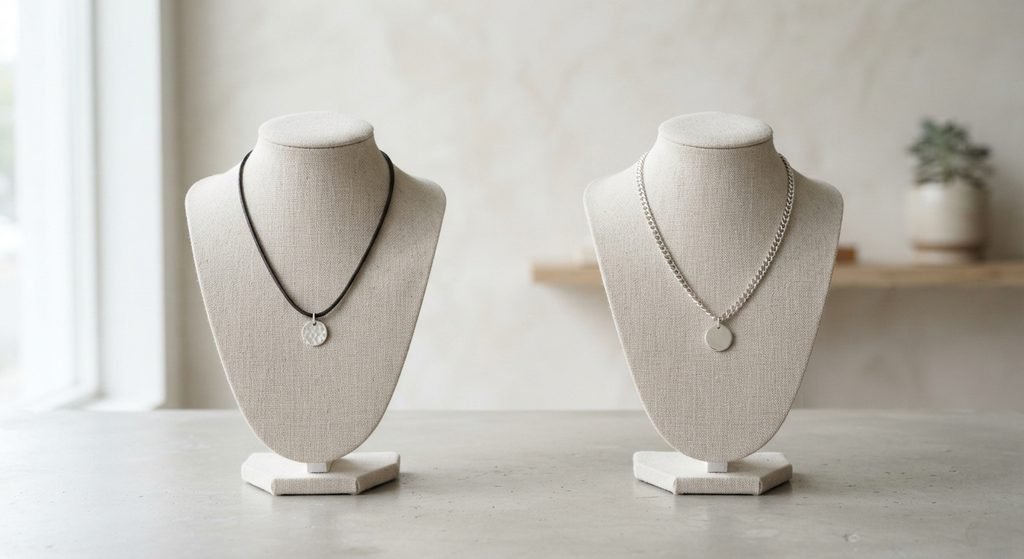
Cord Necklace vs. Metal Chain Necklace
Cord nacklaces and metal chain necklaces serve similar purposes, but they offer different appearances and practical characteristics.
FeatureCord NecklaceMetal Chain Necklace
Material Leather, cotton, nylon, silk, etc. Gold, silver, steel, and other metals
Appearance Casual, natural, or minimalist Classic, polished, or decorative
Weight Often lightweight Depends on the metal and design
Adjustability Often available with sliding knots Depends on the chain and clasp
Maintenance Depends on cord material Depends on metal type
Pendant Compatibility Depends on cord strength and opening Depends on chain strength and pendant loop
Neither option is universally better. A cord necklace may suit someone who likes a relaxed look, while a metal chain may suit someone who prefers a traditional jewelry design.
How to Clean and Maintain a Cord Necklace
Proper care can help maintain a cord necklace’s appearance and usability.
The cleaning method should always depend on the material.
Leather Cord Care
Gently wipe leather with a soft, dry cloth. Avoid soaking it in water or using harsh cleaning products.
Store leather jewelry in a dry place away from direct sunlight and excessive humidity.
Cotton and Nylon Cord Care
Cotton and nylon cords may collect dust and surface dirt over time.
Use a soft cloth to clean lightly. If the manufacturer permits washing, follow its care instructions and allow the cord to dry completely before storing it.
Silk Cord Care
Silk requires gentle handling. Avoid strong detergents, rough scrubbing, and excessive moisture.
Store silk necklaces separately to reduce friction and prevent tangling.
General Storage Tips
A few simple habits can help extend the life of most cord necklaces:
- Store necklaces separately to prevent tangling.
- Keep them away from perfumes and harsh chemicals.
- Remove them before swimming or showering.
- Avoid pulling or stretching the cord unnecessarily.
- Check the knots and clasps regularly.
- Keep jewelry in a clean, dry storage area.
If a cord becomes frayed, weakened, or damaged, replacing it may be safer than continuing to wear it with a valuable pendant.
Can You Make a Cord Necklace at Home?
Yes. Making a basic cord necklace at home is a relatively simple jewelry-making project.
The materials depend on the design, but a basic project usually requires:
- A suitable jewelry cord
- A pendant or decorative bead
- Scissors
- A ruler or measuring tape
- Clasps or cord ends, if required
- Jewelry adhesive, if appropriate for the design
Basic Steps
Step 1: Choose the Cord
Select a cord material and thickness that can support the pendant.
Step 2: Measure the Length
Measure the desired necklace length while allowing extra cord for knots or closures.
Step 3: Add the Pendant
Thread the pendant onto the cord. Make sure its opening is large enough for the cord to pass through.
Step 4: Create the Closure
Use a suitable clasp or adjustable sliding knots to secure the necklace.
Step 5: Check the Finished Design
Check that the knots are secure and that the pendant sits comfortably.
Beginners can start with simple designs before trying more advanced braided or macramé patterns.
Benefits and Limitations of Cord Necklaces
Cord necklaces offer several practical advantages, but they also have limitations worth considering.
Main Benefits
- Available in a wide variety of colors and materials.
- Often lightweight and comfortable.
- Suitable for different pendant styles.
- Can be more affordable than some traditional jewelry designs.
- Useful for handmade and customized accessories.
- Available in adjustable and fixed-length designs.
- Easy to coordinate with casual clothing.
Possible Limitations
- Some materials can wear out with regular use.
- Leather and cotton may be affected by moisture.
- Thin cords may not support heavy pendants.
- Certain materials can fray or stretch over time.
- Some designs require more careful cleaning than metal jewelry.
Understanding these differences makes it easier to select a necklace that meets both style and practical requirements.
Conclusion
A cord necklace is a versatile jewelry accessory that combines comfort, simplicity, and design flexibility. From leather and cotton cords to nylon, silk, and waxed varieties, options suit different styles, occasions, and personal preferences.
Whether paired with a gemstone pendant, a simple charm, or worn as a minimalist accessory, a cord necklace can complement many outfits. Choosing the right material, length, thickness, and closure helps ensure that the necklace is both attractive and practical.
With proper care and a design that suits your needs, a cord necklace can become a useful addition to an everyday jewelry collection.
May you also like: Tie Dye Dress
Frequently Asked Questions About Cord Necklaces
1. What is a cord necklace?
A cord necklace is a necklace made using a flexible cord instead of a traditional metal chain. It can be made from leather, cotton, nylon, silk, waxed cord, or other materials and may include a pendant or decorative charm.
2. Are cord necklaces durable?
Cord necklace durability depends on the material, construction, thickness, and quality. Nylon and well-made leather cords can be durable, while delicate silk and cotton designs may require more careful handling.
3. Can you wear a cord necklace every day?
Yes. Many cord necklaces are suitable for everyday use. However, choosing a durable material and keeping the necklace away from excessive moisture, chemicals, and unnecessary tension can help it stay in good condition.
4. What is the best material for a cord necklace?
There is no single best material for everyone. Leather offers a classic appearance, nylon provides flexibility, cotton feels soft, silk creates an elegant finish, and waxed cord is popular for handmade jewelry.
5. Can a cord necklace hold a heavy pendant?
It depends on the cord’s material, thickness, construction, and strength. A thin decorative cord may not safely support a heavy pendant. Always check the cord’s suitability before attaching valuable or heavy jewelry.
6. How do you adjust a cord necklace?
Many adjustable cord necklaces use sliding knots. Pulling the cord ends in the appropriate direction changes the necklace length. The exact adjustment method depends on the knot design.
7. How do you clean a cord necklace?
Cleaning depends on the material. Most cords can be gently wiped with a soft cloth, but leather and silk require special care. Always follow the manufacturer’s cleaning instructions and avoid harsh chemicals.



Pingback: Caroline Fentress: 7 Amazing Facts About Her Life