
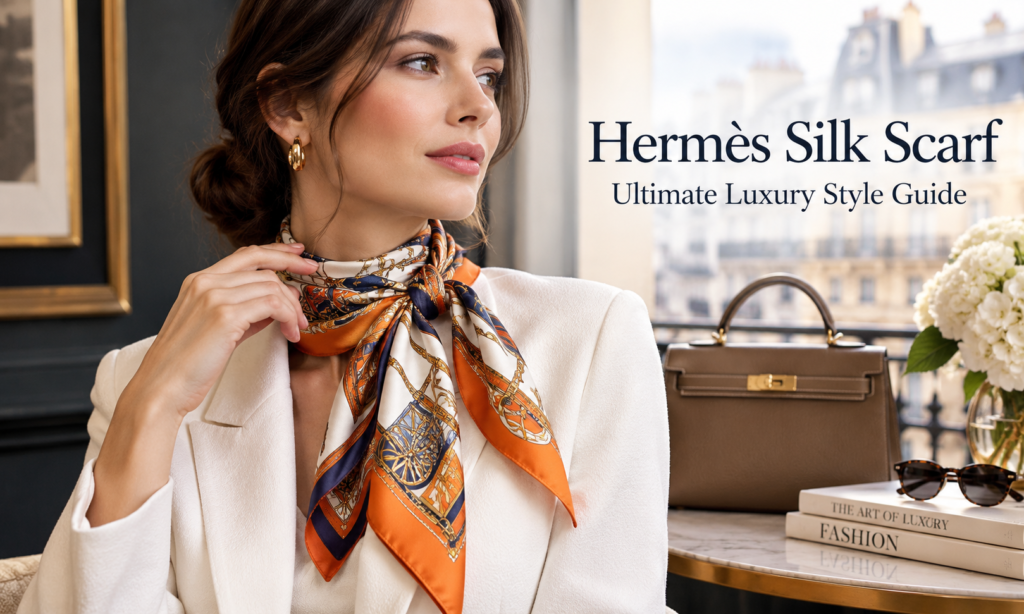

A Hermes silk scarf is more than a fashion accessory. Known for its artistic designs, luxurious silk, and distinctive French craftsmanship, it has become a recognizable symbol of timeless style. From colorful equestrian illustrations to geometric patterns and intricate floral artwork, these scarves blend fashion with a rich textile-art tradition.
Whether you are considering your first designer scarf, exploring vintage accessories, or looking for new ways to style a silk square, understanding what makes Hermès scarves special can help you choose more confidently. Their appeal comes from a combination of material quality, artistic creativity, versatility, and the French luxury house’s heritage.
This guide explores the history, designs, sizes, styling options, authenticity considerations, and care practices associated with Hermès silk scarves.
What Is a Hermès Silk Scarf?
A Hermès silk scarf is a luxury textile accessory produced by the French fashion house Hermès. The brand is best known for printed silk carré scarves, square accessories featuring carefully developed illustrations and decorative patterns.
The scarves are known for their detailed artwork, vibrant colors, and ability to complement different clothing styles. A single design might feature horses, botanical illustrations, travel-inspired imagery, nautical themes, or abstract shapes.
Unlike accessories designed around prominent logos, many Hermès scarves emphasize the artwork itself. The design name, illustration, and color palette often give each piece a distinct identity.
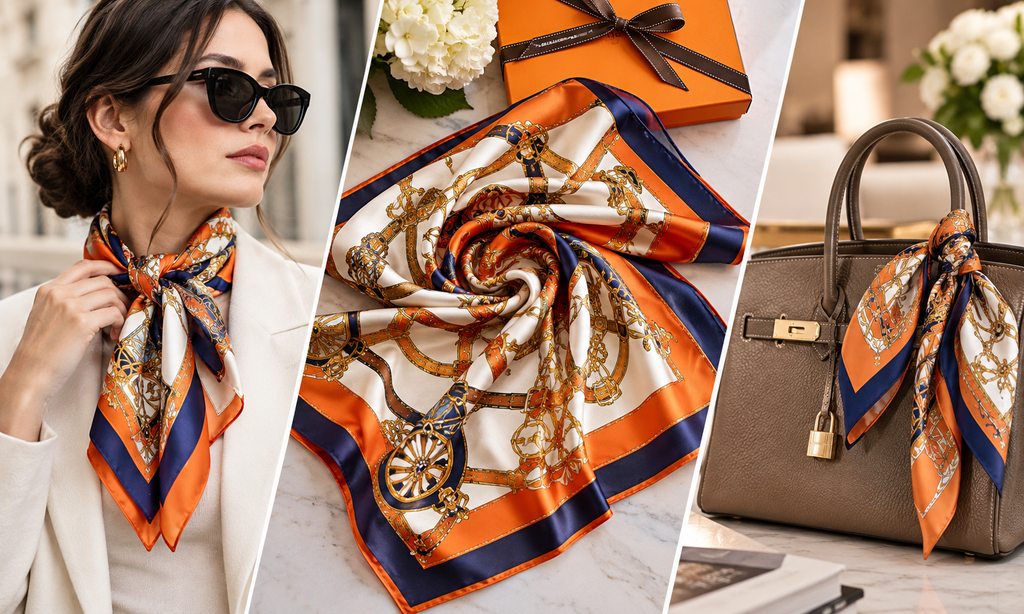
You can wear these scarves around the neck, tie them to a handbag, style them as a headscarf, or incorporate them into an outfit as a decorative accent. Their versatility helps explain why they appeal to both traditional luxury shoppers and fashion enthusiasts who prefer creative accessories.
The History Behind Hermès Silk Scarves
Hermes Silk Scarf Thierry Hermès established the company in Paris in 1837, specializing in harnesses and other equipment for horses. Its early association with equestrian culture eventually shaped the brand’s visual identity.
The company later expanded into leather goods, clothing, accessories, and other luxury products. Silk scarves became one of its most recognizable creations during the twentieth century.
The First Hermès Silk Carré
Hermès introduced its first silk scarf in 1937, marking an important milestone in the company’s development as a luxury accessories house. The original design, commonly associated with the equestrian world, established the foundation for a product category that would grow considerably over the following decades.
The French word carré means square, referring to the traditional shape of these scarves. The square format offers a generous surface for detailed illustrations while remaining practical to fold, tie, and wear.
Art Meets Fashion
Over time, Hermès developed a distinctive approach to scarf design by collaborating with artists and illustrators. Each design begins with an artistic concept that can involve extensive drawing, color development, and preparation for textile printing.
Themes range from horses and carriages to wildlife, gardens, architecture, mythology, and contemporary graphic patterns. This variety lets the scarves function as wearable art rather than purely decorative accessories.
The brand’s long association with equestrian imagery remains influential, but its scarf collections extend far beyond traditional horse-related motifs.
What Makes Hermès Silk Scarves Special?
Several characteristics distinguish Hermès scarves from ordinary printed silk accessories. While individual designs and production details vary, the brand’s reputation rests on its attention to artwork, materials, printing, and finishing.
1. Fine Silk Fabric
Hermès is known for silk scarves made from silk twill, a fabric with a distinctive diagonal weave. Silk twill offers structure and a relatively substantial feel compared with some lighter silk fabrics.
This structure helps a scarf hold folds and knots while staying smooth. It also suits a variety of styling techniques, from compact neckties to fuller headscarf arrangements.
Not every silk scarf uses the same fabric specifications, so shoppers should check the details of the model they are considering.
2. Detailed Printed Artwork
The illustrations are among the most recognizable elements of Hermès scarves. Designs may contain intricate lines, layered colors, ornamental borders, and small decorative details that reward closer inspection.
Developing a silk design requires considering how the artwork will translate onto fabric. Colors must work together, fine details must remain legible, and the composition must suit the scarf’s square shape.
Some designs have become especially recognizable among collectors, while others appeal to people seeking less familiar patterns.
3. Distinctive Hand-Finished Edges
Traditional Hermès silk carrés feature hand-rolled and hand-stitched edges. This finishing technique creates a softly rounded border and contributes to the scarf’s refined appearance.
When examining a secondhand scarf, the edge construction can offer useful clues, but it should never be treated as conclusive proof of authenticity on its own. Construction details may differ across products, and counterfeit items can imitate visible finishing features.
4. Creative Variety
The range of available designs is another reason for the scarves’ enduring popularity. Someone who prefers understated clothing might choose a design with restrained colors, while another person may prefer bright illustrations and dramatic contrasts.
Because the scarf can serve as the focal point of an outfit, it offers a way to experiment with color and pattern without replacing an entire wardrobe.
Popular Hermès Silk Scarf Designs and Themes
Hermès produces scarves in numerous designs, and availability varies by collection. However, certain themes appear repeatedly throughout the brand’s history.
Equestrian Designs
Horses, saddles, bridles, carriages, and riding equipment reflect Hermès’ origins. Equestrian-inspired scarves can feel traditional and sophisticated, appealing to shoppers who value the brand’s heritage.
Depending on the illustration and color scheme, these designs can work with tailored jackets, knitwear, button-down shirts, and classic coats.
Floral and Botanical Patterns
Floral scarves feature leaves, flowers, branches, and garden-inspired compositions. Some are colorful and expressive, while others use delicate botanical illustrations and softer tones.
These patterns can add visual interest to neutral outfits and work particularly well with spring and summer clothing.
Geometric and Abstract Designs
Geometric patterns use lines, shapes, repeated motifs, and contrasting colors to create a more modern appearance. Abstract designs may suit people who want a luxury scarf without an overtly traditional aesthetic.
They can pair well with minimalist clothing, structured blazers, and simple dresses.
Animal and Nature Illustrations
Wildlife, birds, and other natural subjects are recurring sources of inspiration. These scarves can pair detailed illustration with a broad range of colors, giving them a distinctive look.
The specific subject, artistic style, and colorway often determine whether a design feels playful, dramatic, or understated.
Vintage and Archive-Inspired Designs
Older Hermès scarves attract interest from shoppers who appreciate historical illustrations and discontinued patterns. Vintage pieces may have colors, compositions, or design details that are not available in current collections.
Condition is especially important when buying vintage silk. Fading, stains, odors, pulled threads, and previous repairs can influence both appearance and value.
Hermès Silk Scarf Sizes Explained
The right size depends on how you plan to wear the scarf. Hermès offers different formats, and dimensions can vary by product.
Scarf formatCommon dimensionsBest uses.
Small silk carré Approximately 45 × 45 cm Bag accessories, small neckties, compact styling
Classic silk carré Approximately 90 × 90 cm Neckwear, headscarves, shoulder styling
Large silk carré Approximately 140 × 140 cm Shawl-like styling and larger drapes
These are commonly associated dimensions, not a guarantee that every product in a particular category will have the same measurements. Always check the specifications of the individual scarf.
Is the 90 cm Silk Carré the Most Versatile?
The classic 90 × 90 cm square is popular because it balances coverage and flexibility. You can fold it into a narrow band, tie it into a triangle, or arrange it into a more elaborate neck style.
It also provides enough fabric for many headscarf arrangements and can drape over the shoulders when the outfit calls for an extra layer.
Smaller formats work well for a subtle accent, while larger squares offer more dramatic styling options.
How to Style a Hermès Silk Scarf
A silk scarf can transform an outfit without requiring complicated styling. The most effective approach is to choose a tying method that complements your clothing, proportions, and personal style.
1. Wear It Around Your Neck
A classic option is to fold the scarf diagonally or into a narrow band and tie it around your neck.
Pair it with a white shirt, a neutral sweater, or a tailored blazer. A colorful scarf can brighten a simple outfit, while a more restrained design can complement patterned clothing.
For a polished look, keep the knot comfortable and let the scarf’s pattern show.
2. Tie It Around a Handbag
A scarf tied to a handbag offers a subtle way to introduce color and texture. Wrap a narrow fold around one handle or tie a small bow near the handle’s base.
This styling method works with leather totes, structured handbags, and smaller shoulder bags. It is also a useful option for people who prefer not to wear silk directly around their neck.
However, avoid tying the scarf so tightly that it rubs repeatedly against rough hardware or sharp edges.
3. Use It as a Headscarf
Fold a silk carré into a triangle and tie it under the chin or at the back of your head. You can also style it as a headband or wrap it around a low ponytail.
For a balanced look, coordinate one or two scarf colors with the rest of your outfit. Neutral clothing can provide a clean background for an elaborate print.
If you have long hair, use smooth accessories and avoid tight knots that place unnecessary stress on the fabric.
4. Style It With a Blazer
A silk scarf can soften a blazer’s structure while adding personality to office or smart-casual clothing.
Try a narrow scarf beneath the collar of a button-down shirt, or wear a folded carré loosely around the neck. A patterned scarf can also work with a plain dress and a tailored jacket.
In professional settings, smaller patterns or coordinated colors can create a more understated look.
5. Wear It as a Belt Accent
Thread a long, folded scarf or a suitably sized silk square through belt loops or tie it around the waist, depending on its dimensions and the outfit’s design.
This technique works particularly well with simple trousers, denim, and summer dresses. Tie the scarf securely without excessive tension, which could stretch or damage the fabric.
6. Create a Bracelet or Wrist Tie
Wrap a narrow silk fold loosely around the wrist as a decorative accent. This adds color to a plain shirt, knitwear, or casual outfit.
Keep the knot loose enough to avoid discomfort, and be careful with bracelets or watches with rough surfaces that can snag the silk.
How Much Does a Hermès Silk Scarf Cost?
The price of a Hermès silk scarf depends on its size, design, collection, condition, and whether you buy it new or secondhand.
New scarves sold through official retail channels generally occupy the luxury price category. Smaller formats may cost less than larger silk carrés, while special materials, unusual formats, and other product categories can have different prices.
Pre-owned scarves can range from accessible secondhand finds to expensive collectibles. Rarity, condition, demand, and documented provenance can influence asking prices.
What Influences the Price?
Size and material: Larger scarves and products made with different materials may have different price points.
Design and availability: Discontinued or sought-after designs may attract additional interest, although not every older scarf is valuable simply because it is vintage.
Condition: Clean fabric, intact hems, strong colors, and minimal signs of wear generally make a secondhand scarf more appealing.
Authenticity and provenance: Reliable purchase records, original packaging when available, and a credible seller can make a transaction easier to assess.
Prices change over time and vary by country, taxes, and retailer. Check current official pricing for the exact product rather than relying on an old price quoted in a fashion article.
How to Identify an Authentic Hermès Silk Scarf
Authenticity matters when purchasing a luxury scarf, particularly from resale marketplaces, social media sellers, or informal secondhand shops. Counterfeit products may imitate the artwork, labels, packaging, and finishing of genuine items.
No single visual feature can establish authenticity with complete confidence. A careful assessment should consider several details together.
Examine the Fabric and Printing
Look closely at the weave, the clarity of the illustration, and the way colors and fine lines appear on the silk. Poorly reproduced artwork, visibly irregular printing, or an unexpectedly coarse texture may justify further investigation.
However, lighting, age, wear, and photography can affect appearance. A photograph alone may not provide enough evidence to determine whether a scarf is genuine.
Inspect the Edges
Traditional hand-rolled edges are an important characteristic of classic Hermès silk carrés. Examine whether the finishing appears consistent and appropriate for the specific product.
Do not assume that an attractive rolled hem proves authenticity. Counterfeiters may reproduce this feature, and construction can vary across product types.
Check Labels and Design Details
Review the brand label, care information, design name, and other identifying details where available. Compare them with reliable information about the exact model and production period.
Be cautious if a seller provides inconsistent product descriptions or refuses to show clear photographs of relevant details.
Consider the Seller
A seller’s reputation and willingness to answer reasonable questions are important. Ask about the purchase history, return policy, and available documentation.
For expensive or collectible pieces, consider an independent authentication service with relevant expertise. Evaluate packaging, receipts, and certificates in context, as these items can also be copied or separated from the product they originally accompanied.
How to Care for a Hermès Silk Scarf
Silk is a delicate natural fiber that can be damaged by harsh cleaning products, excessive heat, friction, and unsuitable storage conditions. Careful handling helps preserve the fabric and its printed artwork.
Follow the Care Label
Always begin with the instructions supplied for the specific scarf. Professional cleaning may be appropriate, particularly for valuable pieces, persistent stains, or older textiles.
Don’t assume every silk scarf can be washed the same way. Water, detergents, and rubbing may affect dyes, finishes, or the fabric’s structure.
Protect It From Perfume and Cosmetics
Apply perfume, hairspray, and cosmetics before putting on the scarf. Allow products to dry completely to reduce the risk of staining or residue.
Be particularly careful around makeup, sunscreen, and skin-care products that may transfer onto light-colored silk.
Store It Carefully
Store the scarf in a clean, dry place away from direct sunlight. Prolonged sunlight exposure can fade colors, while damp storage can encourage unwanted odors or damage.
Depending on the scarf and available space, you can fold it gently or roll it loosely. Avoid sharp creases, heavy objects, and rough surfaces that could pull the threads.
Handle Stains Promptly
Do not rub a stain aggressively or experiment with bleach, household cleaners, or strong stain removers. These methods may spread the stain or damage the printed silk.
For an expensive scarf, consult a professional cleaner experienced with delicate silk textiles before treating it.
Are Hermès Silk Scarves Worth Buying?
Whether a Hermès silk scarf is worth buying depends on your budget, intended use, and appreciation for the design.
For someone who enjoys expressive accessories and expects to wear a scarf regularly, the appeal may lie in its versatility and artistic character. One carefully chosen scarf can complement a range of outfits and work across different seasons.
Collectors may be more interested in particular designs, historical significance, or condition. However, future resale prices are not guaranteed, and you should not treat a scarf as a guaranteed financial investment.
If you mainly want a colorful silk accessory, less expensive alternatives may meet your needs. If the brand’s artwork, heritage, and craftsmanship matter to you, a genuine Hermès scarf may justify the higher price.
Buying New or Pre-Owned
Buying new from an official Hermès store or authorized channel makes it easier to confirm the product’s origin and review current care information.
Pre-owned shopping may provide access to older designs or lower prices, but it requires more attention to condition, authenticity, and seller reliability.
Before purchasing, compare the exact dimensions, design, fabric, and total cost. Choosing a scarf you genuinely enjoy wearing is usually more practical than buying one solely because of its association with a luxury brand.
Hermès Silk Scarf vs. Other Designer Silk Scarves
Hermès isn’t the only luxury brand that produces silk scarves. Other fashion houses offer accessories featuring their own visual identities, materials, and price points.
The most useful comparison considers more than the label. Consider the fabric quality, printing, finishing, design originality, available sizes, and how comfortably the scarf fits your wardrobe.
Hermès may appeal to shoppers who appreciate detailed illustrative artwork, equestrian heritage, and traditional carré styling. Other designers may offer bolder logos, minimalist graphics, contemporary prints, or different material blends.
No single designer scarf is best for every buyer. Personal taste, practical use, budget, and confidence in the seller should all influence the decision.
Conclusion
A Hermès silk scarf combines French luxury heritage, detailed artwork, fine silk, and versatile styling possibilities. Its enduring appeal comes from its ability to function as both a practical accessory and an expressive piece of wearable art.
From the classic 90 cm carré to smaller silk formats and vintage designs, options suit different wardrobes and personal preferences. Understanding scarf sizes, styling techniques, authenticity checks, and proper care can help you choose a piece that suits your needs.
Whether you buy a new scarf or explore the pre-owned market, focus on genuine craftsmanship, reliable purchasing channels, and a design you will enjoy wearing. The best scarf isn’t necessarily the rarest or most expensive, but the one that fits your style and becomes a meaningful part of your wardrobe.
Frequently Asked Questions
1. What is special about a Hermès silk scarf?
Hermès silk scarves are known for their detailed artistic prints, fine silk fabrics, traditional finishing techniques, and French luxury heritage. Their wide variety of designs makes them versatile accessories for different outfits and occasions.
2. How much does a Hermès silk scarf cost?
Prices vary according to size, design, collection, location, and condition. New scarves are luxury purchases, while pre-owned options may be available at different price points. Check current official prices for the exact model you want.
3. Are Hermès silk scarves made from real silk?
Many classic Hermès carré scarves are made from silk, often silk twill. However, materials vary by product, so check the individual product description to confirm the composition.
4. What is the most popular Hermès silk scarf size?
The 90 × 90 cm silk carré is one of the brand’s best-known formats. Its dimensions make it suitable for neck styling, headscarves, handbag decoration, and other creative uses.
5. How can you tell if a Hermès silk scarf is authentic?
Examine the fabric, printing, rolled edges, labels, and design details. Also consider the seller’s reputation and purchase documentation. No single feature guarantees authenticity, so independent authentication may be worthwhile for expensive purchases.
6. Can you wash a Hermès silk scarf at home?
Care instructions depend on the specific scarf. Follow its care label and consider professional cleaning for valuable or stained pieces. Avoid harsh detergents, bleach, aggressive rubbing, and unverified cleaning methods.
7. Are Hermès silk scarves worth the money?
They may be worthwhile for buyers who value the artwork, craftsmanship, brand heritage, and styling versatility. However, the decision depends on personal preferences and budget, and future resale value is not guaranteed.


Pingback: Goth Prom Dress: 7 Stunning Styles for Prom Night