


Vegan leather handbags have become a popular choice for shoppers who want fashionable accessories without using animal-derived leather. Available in a wide range of designs, colors, sizes, and finishes, these bags offer alternatives to traditional leather while appealing to people who value style, affordability, and animal welfare.
However, not all vegan leather handbags are made from the same materials, and their quality, durability, environmental impact, and maintenance requirements can vary considerably. Some are produced from synthetic materials such as polyurethane, while others incorporate plant-based materials made from agricultural waste or other renewable resources.
Whether you are shopping for an everyday tote, a structured work bag, a minimalist crossbody, or an elegant evening purse, understanding the available options can help you choose a handbag that suits your lifestyle and budget.
This guide explores what vegan leather handbags are, how they are made, their advantages and disadvantages, popular styles, care requirements, and the key factors to consider before buying one.
What Are Vegan Leather Handbags?
Vegan leather handbags are bags made without conventional animal leather. Instead of hides obtained from animals, manufacturers use synthetic materials, plant-derived materials, or combinations of different fibers and coatings to create a leather-like appearance.
These handbags are designed to reproduce some of the visual characteristics of traditional leather, including smooth finishes, textured surfaces, soft-touch materials, and structured shapes. Depending on the manufacturing process, they may resemble everything from polished luxury purses to casual, everyday bags.
The term vegan leather describes a category of materials rather than one specific fabric. Consequently, two handbags marketed under this label can have very different compositions and performance characteristics.
Some use petroleum-based plastics, while others incorporate materials derived from plants. Certain products combine plant-based ingredients with synthetic coatings or backing fabrics, so a plant-inspired name does not necessarily mean the entire bag is biodegradable or plastic-free.
For shoppers, the most useful starting point is to check the material composition, construction quality, and care instructions rather than relying on the label alone.
How Are Vegan Leather Handbags Made?
The manufacturing process depends on the material used. Most vegan leather handbags fall into three broad categories: synthetic leather, plant-based leather alternatives, and blended materials.
1. Polyurethane (PU) Leather
Polyurethane leather, commonly called PU leather, is one of the most widely used materials in vegan handbags. It is generally made by applying a polyurethane coating to a fabric backing, which provides support and helps create a leather-like surface.
PU handbags are available in many finishes, including smooth, pebbled, embossed, glossy, and matte textures. Their versatility makes them suitable for everything from affordable everyday purses to more refined fashion accessories.
The material is often relatively lightweight and can be easier to clean than certain natural fabrics. However, its durability depends on the quality of the coating, the backing material, and how the bag is used.
Over time, lower-quality PU leather can crack, peel, or lose its surface finish, particularly when exposed to heat, moisture, friction, or unsuitable cleaning products.
2. PVC Leather
Polyvinyl chloride, or PVC, is another synthetic material used in some leather alternatives. It can be manufactured in different textures and colors, making it suitable for handbags with distinctive finishes.
PVC bags may offer a relatively firm or glossy appearance, depending on their construction. However, PVC has environmental and chemical concerns associated with its production, additives, and disposal.
Anyone comparing synthetic handbags should look beyond appearance and consider the manufacturer’s material disclosures, product quality, and expected lifespan.
3. Plant-Based Leather Alternatives
Plant-based leather alternatives use materials derived partly or primarily from renewable biological sources. Examples include materials incorporating apple waste, pineapple leaf fibers, cactus, cork, or other agricultural by-products.
These materials can offer interesting textures and distinctive design possibilities. Some manufacturers use them to reduce reliance on conventional animal leather or certain fossil-based inputs.
Nevertheless, plant-based does not automatically mean entirely natural. Many commercial alternatives combine plant-derived ingredients with polyurethane, other polymers, adhesives, or textile backings.
Consumers interested in lower-impact products should check how much of the material is plant-derived and whether the manufacturer provides transparent information about coatings, backing fabrics, and processing methods.
4. Cork and Other Innovative Materials
Cork is another option for shoppers interested in alternatives to conventional leather. It is harvested from the bark of cork oak trees, which can regrow their bark after harvesting. Cork-based handbags often have a distinctive natural texture and may be lightweight.
Other emerging materials use mushroom-derived mycelium or bacterial cellulose. These technologies aim to create flexible sheets that can be used in fashion accessories, although commercial availability, production methods, and long-term durability differ between products.
When evaluating these materials, look for clear details about their composition and construction. A bag made with a renewable ingredient may still contain synthetic components that affect its environmental profile.
Popular Types of Vegan Leather Handbags
One of the biggest advantages of vegan leather handbags is their design variety. Manufacturers can create different shapes, colors, textures, and finishes to suit a wide range of personal styles.
Tote Bags
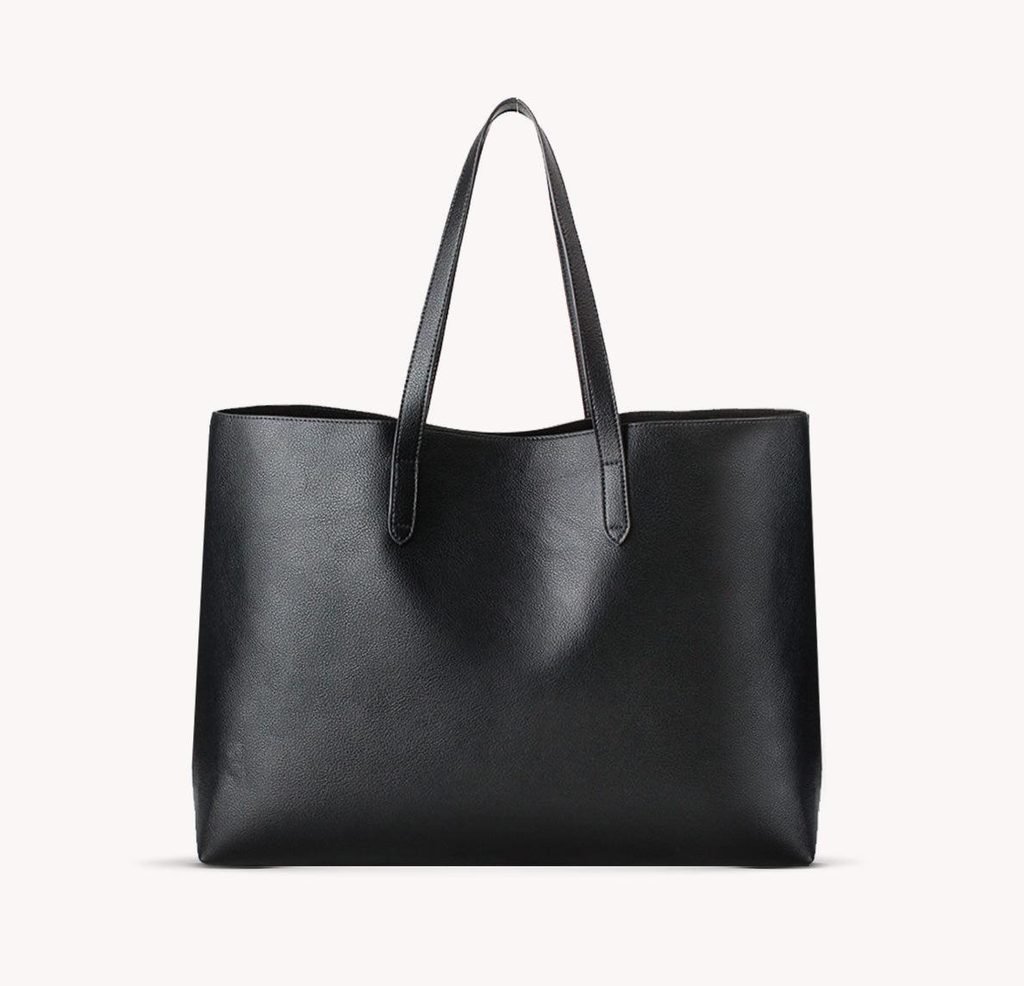
Vegan leather tote bags are practical for work, shopping, travel, and everyday errands. Their spacious interiors can accommodate items such as a wallet, phone, notebook, cosmetics, and other daily essentials.
For work or study, look for a tote with reinforced handles, a secure closure, and separate compartments. If you regularly carry a laptop, check the bag’s dimensions and whether its base provides adequate support.
Crossbody Bags
Crossbody handbags are designed to be worn across the body using a longer strap. They are useful for shopping, commuting, sightseeing, and other activities that benefit from hands-free convenience.
A compact crossbody bag is ideal for carrying essentials without the bulk of a larger purse. Adjustable straps and secure zippers can improve comfort and practicality.
Shoulder Bags
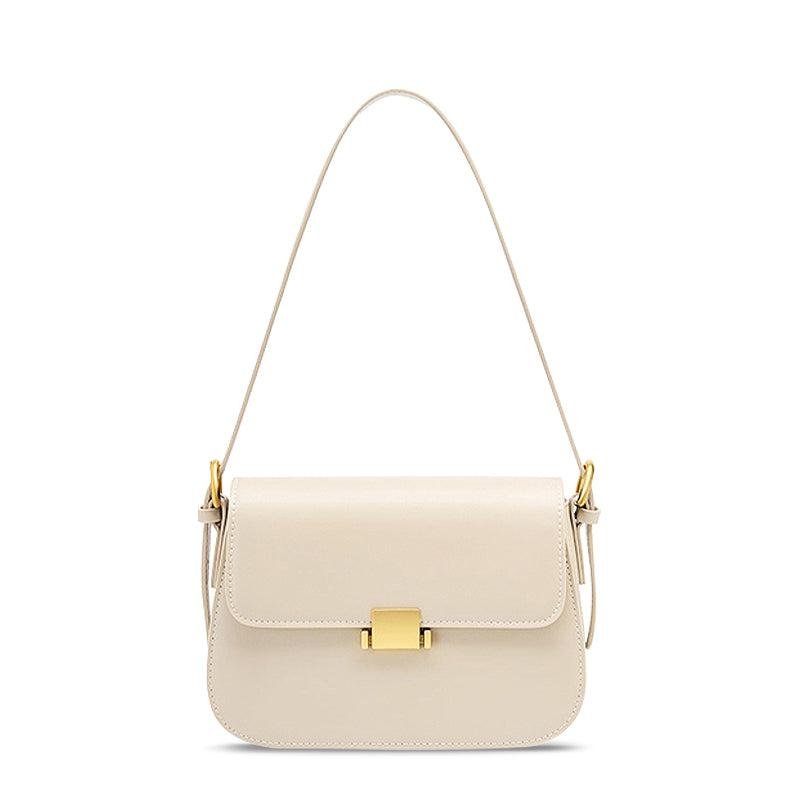
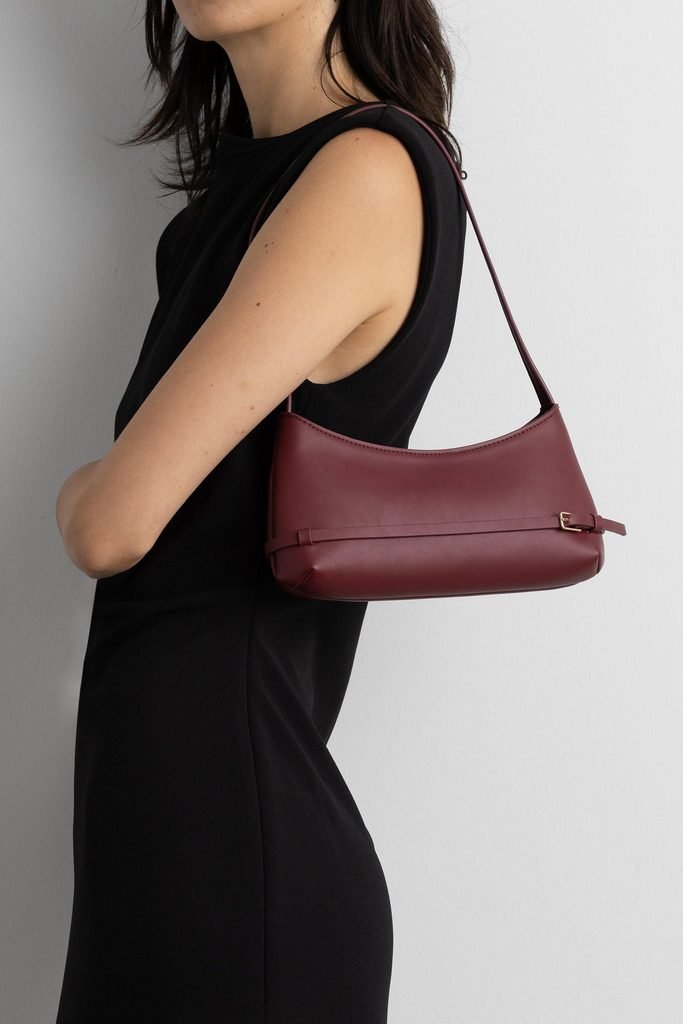
Shoulder bags combine everyday convenience with a polished appearance. They range from small, minimalist designs to larger bags with multiple pockets.
Neutral shades such as black, brown, beige, and cream are easy to coordinate with different outfits. For a more distinctive look, consider burgundy, olive green, or a textured finish.
Satchels and Structured Handbags
Structured handbags maintain a defined shape, giving them a professional appearance suitable for offices, meetings, and formal occasions.
When choosing a structured design, examine the stitching, corners, handles, and base. Strong construction is particularly important because a rigid shape can make damage or deformation more noticeable.
Clutches and Evening Bags
Vegan leather clutches are compact accessories designed for dinners, parties, weddings, and other special occasions. They may feature metallic finishes, decorative clasps, chain straps, or embossed textures.
Since these bags are generally used less frequently than everyday handbags, you may have more flexibility when choosing a delicate finish or an unusual color.
Backpacks and Travel Bags
Vegan leather backpacks and travel bags combine a casual silhouette with a more refined finish than many traditional fabric designs. They can be suitable for commuting, short trips, or everyday use.
For travel, prioritize comfortable straps, durable zippers, reinforced seams, and practical compartments rather than appearance alone.
Benefits of Choosing Vegan Leather Handbags
Vegan leather handbags offer several advantages, although the extent of each benefit depends on the material and manufacturing process.
Animal-Free Materials
The primary appeal is that vegan leather avoids conventional animal hides. This makes it an option for people who want to avoid animal-derived leather for ethical, dietary, or personal reasons.
However, consumers who follow strict vegan standards should also consider other components, including adhesives, dyes, decorative materials, and the origin of any recycled or blended fabrics.
Wide Variety of Designs
Vegan leather can be produced in many colors and textures. This flexibility allows designers to create glossy statement bags, understated everyday purses, embossed finishes, and contemporary silhouettes.
Some materials are also easier to color consistently than natural hides, which can help manufacturers offer matching accessories across a collection.
Options for Different Budgets
Many synthetic leather handbags are available at accessible prices, making them attractive to shoppers who want a fashionable accessory without paying luxury leather prices.
More specialized materials, premium construction, and designer branding can increase the cost considerably. Therefore, vegan leather should not automatically be assumed to be inexpensive.
Often Lightweight and Easy to Maintain
Certain vegan leather bags weigh less than comparable leather designs and can be cleaned with a soft, slightly damp cloth. This is useful for people who prefer low-maintenance accessories.
Nevertheless, cleaning requirements vary. Some plant-based materials, textured surfaces, and delicate coatings need more careful treatment than standard PU leather.
A Broad Range of Styles
From minimalist handbags to bold, trend-focused accessories, vegan leather offers choices for different age groups, wardrobes, and occasions.
Its versatility makes it possible to choose a bag based on practical requirements and personal taste rather than relying on one traditional material.
Disadvantages and Limitations to Consider
Despite their advantages, vegan leather handbags are not automatically more durable or environmentally friendly than every alternative.
Potential Peeling and Cracking
Lower-quality synthetic leather can deteriorate when the surface coating separates from its backing. This may happen around handles, corners, folds, and areas that experience frequent friction.
Once substantial peeling begins, repairing the surface can be difficult. Construction quality and appropriate storage can help, but they cannot eliminate the limitations of every material.
Environmental Concerns
Many conventional vegan leather handbags contain petroleum-derived plastics. These materials can persist in the environment, and their manufacture and disposal raise concerns about fossil-fuel use and plastic waste.
Plant-based alternatives may reduce reliance on certain conventional inputs, but their total environmental impact depends on the ingredients, coatings, energy requirements, production methods, and product lifespan.
Limited Repairability
A damaged fabric lining or broken zipper can often be repaired, but a cracked synthetic coating may be much harder to restore. Some specialist repair services can improve the appearance of damaged bags, although results vary.
Choosing a well-constructed bag from the beginning can reduce the likelihood of early replacement.
Quality Varies Between Products
Two handbags described as vegan leather may differ significantly in softness, flexibility, stitching, lining, and resistance to wear.
A low price does not always indicate poor quality, and a high price does not guarantee superior construction. Examine the actual features of the bag rather than relying solely on branding or material labels.
Vegan Leather vs. Genuine Leather: What Is the Difference?
Vegan leather and genuine leather serve similar fashion purposes, but they differ in origin, maintenance, aging, and environmental considerations.
| Feature | Vegan leather | Genuine leather |
|---|---|---|
| Material source | Synthetic, plant-based, or blended materials | Animal hides |
| Appearance | Available in many uniform finishes | Often has natural variations in grain |
| Price | Ranges from budget to premium | Ranges from affordable to luxury |
| Maintenance | Often wiped clean, depending on material | May require conditioning and specialized care |
| Aging | Some coatings may peel or crack | Quality leather can soften and develop a patina |
| Repairability | Surface damage can be difficult to repair | Some scratches, seams, and other damage can be repaired |
| Environmental concerns | May involve plastics and difficult disposal | Can involve livestock impacts and chemical-intensive tanning |
Neither category is automatically superior in every respect. Genuine leather can offer a long service life when properly made and maintained, but its production raises animal-welfare and environmental questions. Vegan leather avoids animal hides but can introduce concerns involving plastics, chemical processing, and shorter product lifespans.
The most useful comparison considers the actual material, expected years of use, manufacturing practices, and whether the bag can be repaired instead of replaced.

Are Vegan Leather Handbags Environmentally Friendly?
The answer depends on the specific product. Although vegan leather avoids conventional animal hides, the term itself does not guarantee that a handbag has a low environmental impact.
Traditional synthetic alternatives such as PU and PVC rely on plastics that are difficult to biodegrade. Their production, durability, and disposal all contribute to their overall footprint.
Plant-based materials may offer advantages when they use renewable feedstocks or agricultural by-products. However, these benefits can be reduced when substantial synthetic coatings, adhesives, or non-recyclable backing fabrics are required.
A few practical considerations can help shoppers make a more informed decision:
- Material transparency: Look for a detailed breakdown of the bag’s outer material, lining, and coatings.
- Durability: Choose construction that is likely to withstand your normal use.
- Repairability: Consider whether the handles, lining, zippers, and straps can be repaired.
- Responsible production: Look for specific, substantiated information about manufacturing and sourcing.
- Long-term use: A handbag that serves you for years may avoid the need for frequent replacements.
It is also important to be cautious about labels such as eco-friendly, green, and sustainable. These terms can mean different things, and a plant-derived ingredient alone does not establish that a finished product is environmentally preferable.
How to Choose the Best Vegan Leather Handbag
The best vegan leather handbag is one that suits your daily needs, fits your budget, and offers reliable construction.
1. Identify Your Main Purpose
Start by deciding how you intend to use the bag. A work tote needs enough capacity for everyday essentials, while a crossbody bag may be better for shopping and commuting.
For parties or formal events, a smaller clutch may be more appropriate. Selecting the right style first makes it easier to compare similar products.
2. Check the Material Composition
Look for specific descriptions such as polyurethane, recycled polyester, cork, or a named plant-based material. If sustainability is important to you, investigate whether the material is fully plant-derived or contains synthetic binders and coatings.
Be cautious when a product listing uses impressive environmental language but provides little information about the actual material.
3. Examine the Stitching and Handles
Inspect the seams, handle attachments, corners, and stress points. Uneven stitching, loose threads, weak attachment points, or poorly finished edges may indicate construction problems.
Handles deserve particular attention because they support the bag’s weight and experience repeated pulling and friction.
4. Evaluate the Interior
A good lining makes a handbag easier to use and may protect belongings from scratches. Check whether the interior includes useful pockets, a secure compartment, and a lining that appears firmly attached.
For work bags, a padded laptop compartment or organized storage can be more valuable than decorative features.
5. Consider Size and Weight
Think about what you normally carry. A bag that is too small may be inconvenient, while an oversized design can become unnecessarily heavy once filled.
Check the dimensions provided by the manufacturer rather than relying only on product photographs.
6. Review the Return Policy and Warranty
A clear return policy helps if the handbag does not match its description or feels uncomfortable in everyday use. A warranty can also provide reassurance, particularly for more expensive products.
Read the exclusions carefully because surface wear, accidental damage, and normal deterioration may not be covered.
7. Balance Price With Expected Use
A handbag that costs less initially may not represent good value if it needs to be replaced quickly. Conversely, an expensive bag is not necessarily better simply because it carries a designer label.
Compare materials, stitching, functionality, customer feedback, and warranty coverage before making a decision.
How to Care for Vegan Leather Handbags
Proper care can help maintain a handbag’s appearance and reduce avoidable damage.
Clean Gently
Use a soft cloth to remove dust and surface dirt. For ordinary PU leather, a slightly damp cloth is often sufficient, but check the manufacturer’s instructions before applying water or any cleaning solution.
Avoid abrasive sponges, strong solvents, bleach, and harsh household cleaners because they may damage the coating.
Keep the Bag Away From Excessive Heat
High temperatures and prolonged direct sunlight can cause some synthetic materials to become brittle, discolored, or deformed.
Avoid leaving a handbag in a hot vehicle or storing it beside heaters. When not in use, keep it in a cool, dry place away from direct sunlight.
Protect It From Excess Moisture
Some vegan leather surfaces resist light splashes, but this does not mean the entire bag is waterproof. Water can enter through seams, zippers, stitching, and uncoated areas.
If the bag becomes wet, gently blot the surface with a clean cloth and allow it to dry naturally. Avoid using a hair dryer or placing it near direct heat.
Store It Properly
Empty the handbag before storing it. Lightly fill the interior with clean tissue paper to help preserve its shape, and keep it in a breathable dust bag when available.
Avoid folding or compressing the material for extended periods, especially around sharp creases that may weaken the coating.
Use Suitable Products Only
Do not automatically apply conditioners designed for genuine leather to vegan leather. Some products can leave residue or damage synthetic finishes.
If you are unsure about a cleaning product, test it on a small, inconspicuous area first or contact the manufacturer.
Styling Vegan Leather Handbags for Different Occasions
Vegan leather handbags can complement casual, professional, and formal outfits.
Everyday Casual Looks
Pair a crossbody bag or relaxed tote with jeans, a T-shirt, sneakers, or a simple dress. Neutral colors are particularly versatile because they work with many combinations.
For a more distinctive outfit, consider a textured bag or a contrasting color.
Office and Professional Wear
A structured tote, satchel, or shoulder bag can complement tailored trousers, blazers, shirts, and other workwear essentials.
Black, brown, taupe, and navy are practical choices for a coordinated professional wardrobe. Prioritize useful compartments and comfortable handles if you carry the bag throughout the working day.
Evening and Special-Occasion Outfits
A small clutch or compact shoulder bag can add a polished finishing touch to a dress, suit, or formal ensemble.
Metallic accents, subtle textures, and deep colors can make an evening bag stand out without overwhelming the outfit.
Seasonal Styling
Lighter shades such as cream, beige, and pastel pink can complement spring and summer wardrobes, while burgundy, chocolate brown, and forest green work well with many autumn and winter outfits.
These are style suggestions rather than strict rules. Choose colors and shapes that fit your wardrobe and personal preferences.
Who Should Buy Vegan Leather Handbags?
Vegan leather handbags may suit shoppers who want to avoid animal-derived leather, prefer a particular aesthetic, or need an accessory at a specific price point.
They can also appeal to fashion enthusiasts who enjoy experimenting with colors, textures, and contemporary designs.
However, shoppers who prioritize a long service life should pay close attention to material quality and repair options. Those whose main concern is environmental impact should investigate the full composition and manufacturing process rather than assuming that every vegan alternative is sustainable.
Ultimately, the right choice depends on your priorities. Animal welfare, cost, durability, appearance, convenience, and environmental impact are separate considerations, and no single material will satisfy every preference equally well.
Conclusion
Vegan leather handbags offer a versatile alternative to traditional leather, combining animal-free materials with a wide range of fashionable designs. From practical totes and crossbody bags to structured work handbags and elegant clutches, there are options for different lifestyles, occasions, and budgets.
However, choosing the right bag requires more than looking at its appearance or reading the word vegan on a product label. Material composition, construction quality, expected durability, maintenance requirements, and environmental impact all deserve consideration.
For everyday use, prioritize strong stitching, reliable hardware, a practical interior, and a material suited to your routine. If environmental responsibility is important, look for transparent material disclosures, repairable components, and evidence supporting any sustainability claims.
Ultimately, the best vegan leather handbag is one that meets your needs, reflects your personal style, and remains useful for as long as possible.
May you also like: Skin Booster
Frequently Asked Questions
1. What are vegan leather handbags made of?
Vegan leather handbags can be made from polyurethane (PU), polyvinyl chloride (PVC), cork, plant-derived fibers, or blended materials. Many commonly available options use a synthetic coating applied to a fabric backing. The exact composition depends on the manufacturer and product.
2. Are vegan leather handbags durable?
Their durability varies according to material quality, construction, and usage. Well-made bags can provide useful everyday service, but some synthetic coatings may crack or peel with repeated friction, heat, and age. Strong stitching, careful storage, and gentle cleaning can help extend their useful life.
3. Are vegan leather handbags waterproof?
Not necessarily. Some synthetic surfaces resist light splashes, but seams, zippers, linings, and other components may allow water to enter. Check the manufacturer’s specifications before using a handbag in heavy rain or wet conditions.
4. Are vegan leather handbags better for the environment?
Not always. Vegan leather avoids conventional animal hides, but many products contain plastics that can persist in the environment. Plant-based alternatives may reduce reliance on some conventional materials, although synthetic binders and coatings can limit their environmental benefits. The full material composition and expected lifespan matter.
5. How do you clean a vegan leather handbag?
Wipe the surface gently with a soft cloth, using a little water if the manufacturer permits it. Avoid abrasive cleaners, harsh chemicals, and excessive heat. Always follow the care instructions for the specific material.
6. Can vegan leather handbags look luxurious?
Yes. Vegan leather handbags are available in refined shapes, textured finishes, polished hardware, and minimalist designs that can create an elegant appearance. The overall quality depends on the material, finishing, construction, and design rather than the label alone.
7. What should I look for when buying a vegan leather handbag?
Consider the material composition, stitching, handle strength, lining, size, compartments, and closure quality. Compare the price with the expected lifespan, and review the return policy and warranty. If animal-free sourcing or environmental impact is important to you, look for clear information about all major materials used in the bag.


