
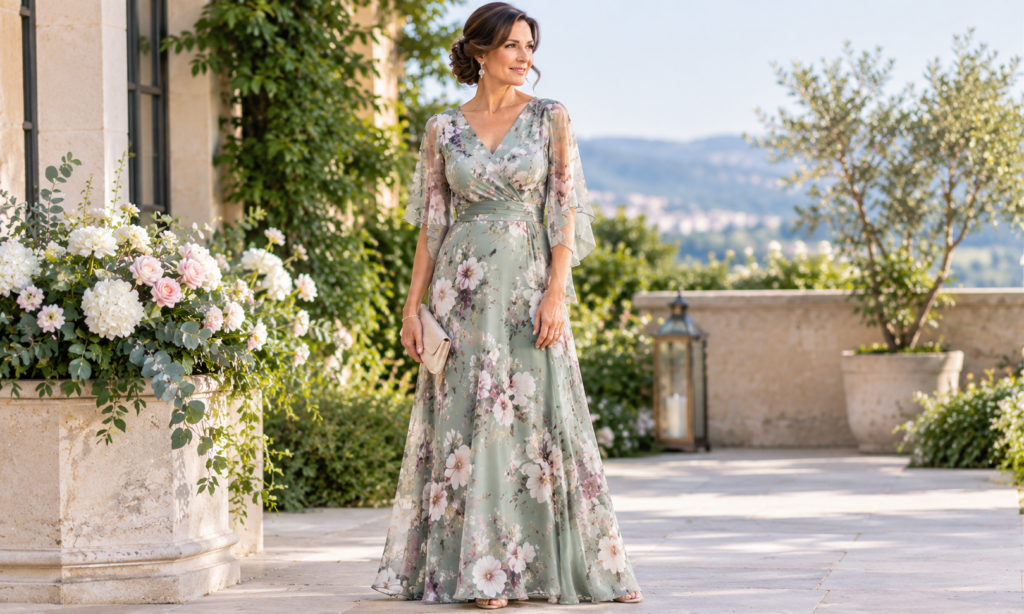

Choosing the perfect outfit for a wedding is a special part of celebrating a daughter’s big day. Floral mother of the bride dresses blend elegance, color, and femininity, making them an appealing choice for mothers who want to look sophisticated while complementing the wedding’s overall style.
From soft watercolor prints and delicate garden florals to bold botanical patterns and romantic rose designs, floral dresses are available in styles for almost every season, venue, and dress code. Whether the wedding takes place in a garden, at a beach, in a traditional ballroom, or at a countryside estate, the right floral dress can create a polished look without feeling overly formal or uncomfortable.
The secret is finding a design that balances the floral pattern, dress silhouette, fabric, color palette, and level of formality. With thoughtful styling, a floral dress can feel timeless, modern, and appropriate for everything from an intimate daytime ceremony to an elegant evening reception.
Why Choose Floral Mother-of-the-Bride Dresses?
Floral prints hold a special place in wedding fashion because they add visual interest without needing elaborate embellishments. A well-chosen pattern can make a simple dress feel distinctive while keeping the wearer’s look refined.
Unlike heavily decorated gowns, floral dresses often rely on the beauty of their colors, prints, and fabrics. This versatility makes them suitable for a variety of wedding themes and personal styles.
A Beautiful Balance of Elegance and Personality
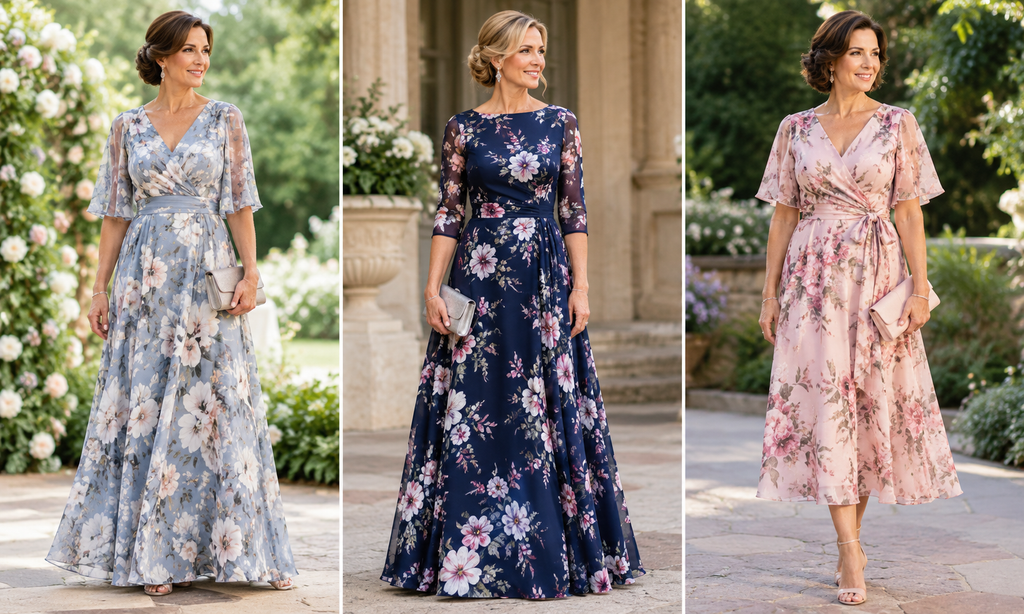
A floral dress can express personal style while remaining appropriate for the occasion. Small, delicate flowers create a subtle, classic look, while larger botanical prints make a more contemporary statement.
Mothers who prefer understated fashion can choose muted florals on a neutral background. Those who enjoy brighter colors may prefer vibrant blooms against navy, emerald, pink, or another rich base color.
Suitable for Different Wedding Seasons
Floral dresses are not limited to spring and summer. Lightweight fabrics and pastel patterns work beautifully for warm-weather celebrations, while deeper colors, richer materials, and darker botanical prints can suit autumn and winter weddings.
The key consideration is not just the floral pattern, but how its colors and fabric suit the season, venue, and formality of the event.
Versatile for Different Wedding Settings
Floral mother-of-the-bride dresses can work for outdoor ceremonies, destination weddings, formal receptions, and semi-formal celebrations. The silhouette and material determine whether a particular design feels relaxed, polished, or luxurious.
For example, a flowing chiffon maxi dress may be ideal for a garden ceremony, while a structured floral jacquard gown may suit a formal evening celebration better.
Popular Styles of Floral Mother of the Bride Dresses
The best floral dress depends on the wearer’s preferences, the wedding dress code, and the desired level of coverage and comfort. Several styles stand out for their versatility and timeless appeal.
1. Floral Maxi Dresses
Maxi dresses feature long hemlines that create an elongated, graceful silhouette. Theyare especially popular for formal weddings, outdoor ceremonies, and celebrations where a flowing look feels appropriate.
Chiffon and lightweight crepe offer excellent movement and comfort. A defined waist, gentle draping, or an A-line skirt can add shape without restricting movement.
For an elegant finish, pair a floral maxi dress with simple earrings, a coordinating clutch, and comfortable formal shoes.
2. Floral Midi Dresses
Midi dresses usually fall between the knee and ankle, depending on the design and the wearer’s height. Their balanced length makes them suitable for many daytime weddings, semi-formal events, and receptions.
A floral midi dress with a fitted bodice and softly flared skirt creates a classic look. Alternatively, a straight-cut or wrap-style design can offer a modern, understated appearance.
Midi dresses also work well for moving between an outdoor ceremony and an indoor reception.
3. Floral A-Line Dresses
A-line dresses fit more closely through the upper body and gradually widen toward the hem. This shape is a popular choice because it creates a balanced silhouette and allows comfortable movement.
Floral A-line designs are available in knee-length, midi, and floor-length versions. A simple neckline and a well-placed floral pattern can keep the overall look sophisticated.
This style works particularly well for mothers who want a classic dress that feels neither too fitted nor excessively voluminous.
4. Floral Lace and Embroidered Dresses
Floral lace and embroidery offer a different interpretation of floral fashion. Rather than relying entirely on printed fabric, these dresses use raised patterns, stitched flowers, or decorative lace overlays.
They’re especially suitable for formal weddings and evening celebrations. Navy, champagne, dusty blue, and muted rose are attractive color choices, depending on the wedding palette.
Because lace and embroidery already add texture, understated accessories often create the most balanced result.
5. Floral Wrap Dresses
Wrap dresses feature a front closure that crosses the body, often creating a V-shaped neckline and an adjustable waist.
A floral wrap dress can be a practical option for a less formal wedding, especially in breathable fabric. For a more elevated look, choose a refined print, a well-structured waist, and quality fabric over an overly casual design.
A wrap-style silhouette can also make it easier to find a comfortable fit.
6. Floral Dresses With Sleeves
Sleeved dresses offer extra coverage and can suit cooler weather, formal venues, or personal modesty preferences.
Popular options include three-quarter sleeves, sheer sleeves, full-length sleeves, and flutter sleeves. A floral dress with a matching jacket or bolero can also provide flexibility throughout the event.
For a sophisticated look, consider a restrained floral pattern with a clean neckline and sleeves that allow comfortable arm movement.
Best Floral Dress Colors for the Mother of the Bride
Color can change a floral dress’s entire impression. The most successful choice complements the wedding’s palette without competing with the bridal party or the bride’s outfit.
Dusty Blue and Soft Blue Florals
Dusty blue creates a calm, sophisticated appearance. Floral prints featuring ivory, silver, lavender, or soft pink work beautifully with this base color. It is especially suitable for spring weddings, summer ceremonies, and classic formal celebrations.
Navy Floral Dresses
Navy is a versatile choice for evening receptions and formal weddings. Pink, cream, gold, or muted blue flowers can soften the dark background while keeping the outfit refined. Metallic accessories can complete the look without overwhelming the print.
Sage Green and Botanical Prints
Sage green and botanical patterns are natural choices for garden ceremonies, outdoor venues, and countryside weddings. Pair them with neutral shoes and understated jewelry for a fresh, coordinated appearance.
Blush Pink and Dusty Rose
Soft pink florals create a romantic, traditional wedding look. These shades work particularly well with ivory, taupe, champagne, and muted green accents. Check with the couple to see whether the shade matches the bride’s chosen color palette.
Burgundy, Plum, and Deep Florals
Deep backgrounds with rose, cream, or muted gold flowers suit autumn and winter celebrations. These colors can feel especially elegant for evening events, particularly when paired with a tailored wrap or sophisticated evening accessories.
How to Choose Floral Dresses for Different Wedding Seasons
The season affects not only the dress color but also the fabric, sleeve length, and overall weight of the outfit.
Spring Weddings
Spring weddings pair naturally with delicate floral prints, soft colors, and flowing fabrics. Lavender, pale blue, blush, butter yellow, and sage green can all create a seasonal look.
Chiffon, lightweight crepe, and breathable blends work well for daytime celebrations. A midi or maxi dress with a light jacket can provide coverage if the weather changes.
Summer Weddings
For summer ceremonies, prioritize breathability and comfort. Lightweight chiffon, cotton blends suited to the dress code, and airy crepe can help keep the outfit comfortable in warm weather.
Bright florals, tropical-inspired botanical patterns, and soft watercolor designs can all work well. For an outdoor ceremony, consider whether the dress fabric is transparent in strong sunlight and whether the skirt allows easy movement.
Sleeveless styles are an option where appropriate, while flutter sleeves and lightweight three-quarter sleeves add coverage without adding much warmth.
Autumn Weddings
Autumn is an excellent season for floral dresses featuring burgundy, rust, plum, forest green, and navy. Warm-toned floral prints can complement seasonal decorations and natural surroundings.
Medium-weight crepe, textured fabrics, and sleeved dresses are great choices for cooler temperatures. A coordinating jacket or wrap can add warmth while preserving the outfit’s overall elegance.
Winter Weddings
Winter celebrations often call for richer colors, more substantial fabrics, and polished silhouettes. Deep blue, wine, emerald, and dark floral prints can look sophisticated at formal indoor venues.
Velvet accents, jacquard, lined crepe, and long-sleeved designs may suit the venue and dress code. If the ceremony and reception take place in different temperatures, plan for a removable outer layer.
Choosing the Right Floral Print and Fabric
A floral pattern should complement the dress’s shape and the occasion’s formality. The print scale, color contrast, and fabric texture all shape the final look.
Small Florals Versus Large Floral Prints
Small floral prints tend to create a delicate, understated impression. They can work well on chiffon, crepe, and other fabrics that move naturally.
Large floral prints make a stronger visual statement. They often look striking on simple silhouettes, particularly when the dress has a clean neckline and minimal embellishment.
Neither option is inherently more flattering. Consider the placement of the flowers, the overall contrast, and whether the pattern feels balanced on the garment.
Choosing Fabrics for Comfort
Choose fabrics that suit the season and allow comfortable movement throughout the day.
- Chiffon: Lightweight and fluid, often used for layered skirts and flowing gowns.
- Crepe: Offers a polished finish and is available in different weights and textures.
- Lace: Adds decorative detail and works well for formal occasions.
- Jacquard: Provides woven texture and can create a structured, luxurious appearance.
- Satin: Creates a smooth finish that suits evening weddings, though heavier or less breathable versions may feel warm.
- Cotton blends: Can be comfortable for daytime celebrations, as long as the design fits the dress code.
Before purchasing, check the lining, fabric care instructions, stretch, and opacity. A dress that looks beautiful on a hanger should also feel comfortable when you sit, walk, and dance.
Finding a Flattering Silhouette
The best dress fits comfortably and makes the wearer feel confident. Instead of focusing on rigid body-shape rules, consider the features you prefer, the level of structure you enjoy, and the fit you find most comfortable.
For a Defined Waist
Wrap dresses, belted designs, and dresses with shaped bodices can highlight the waist. An A-line skirt provides movement without creating a heavily fitted silhouette.
For a Relaxed, Flowing Fit
Empire-waist designs and softly draped maxi dresses can provide extra room around the waist and hips. Lightweight fabrics help maintain a graceful shape without unnecessary bulk.
For a Structured, Tailored Look
Fit-and-flare dresses, floral jacquard gowns, and dresses with carefully shaped seams offer a more defined silhouette. These can be especially effective for formal weddings when you want a polished appearance.
For Additional Coverage
Long sleeves, higher necklines, lined bodices, and longer hemlines can provide coverage while maintaining an elegant look. A matching jacket or coordinated formal wrap adds versatility.
No matter the silhouette, professional alterations can improve fit around the shoulders, waist, and hem. The goal is a dress that looks intentional and lets you move freely.
What to Wear With a Floral Mother of the Bride Dress
Accessories should support the dress, not compete with its pattern. When a floral print already has several colors, a few carefully selected pieces usually work better than many decorative additions.
Shoes and Handbags
Neutral shoes in nude, taupe, silver, champagne, or black can work with many floral dresses. The best shade depends on the background color, accessories, and wedding formality.
For outdoor venues, block heels or elegant flats may be more practical than narrow stilettos, which can sink into grass. For a formal ballroom, classic pumps or dressy sandals may be appropriate.
Choose a clutch or small handbag that complements one of the print’s colors. It does not need to match the dress exactly.
Jewelry
Simple earrings, a delicate necklace, or a refined bracelet can finish the outfit. If the dress features a busy pattern, minimal jewelry often creates a cleaner appearance.
For a high neckline, statement earrings may work better than a necklace. For a V-neck or open neckline, a subtle pendant can balance the look.
Jackets, Wraps, and Shawls
A coordinating jacket or shawl is useful for cooler weather, religious ceremonies, and venues where additional coverage is preferred.
Solid colors generally work well with floral prints. Choose a color already present in the dress or a neutral shade that blends naturally with the overall outfit.
Hairstyles and Makeup
The hairstyle should suit the dress neckline and the wedding’s formality. A low bun, softly styled updo, or polished waves can all complement floral occasionwear.
Makeup can stay natural and understated, or you can add a more defined lip color for an evening event. The most important consideration is choosing a look that feels comfortable and consistent with personal style.
How to Match the Dress With the Wedding Theme
The mother of the bride’s outfit should feel coordinated with the celebration while retaining its own identity. It does not need to match the bridesmaids’ dresses exactly.
Garden and Outdoor Weddings
Garden weddings suit botanical prints, delicate blossoms, and flowing silhouettes. Sage green, dusty blue, blush, and lavender are natural options for an outdoor setting.
Consider the ground conditions and weather when choosing shoes and fabric. A dress that is easy to walk in can make a long day of photographs, greetings, and celebrations much more enjoyable.
Beach and Destination Weddings
Beach weddings often call for lightweight fabrics and relaxed, elegant silhouettes. Floral maxi dresses, airy midi dresses, and soft pastel prints can work well, depending on the invitation’s dress code.
Choose breathable fabrics and shoes that suit sand or uneven surfaces. Excessive layers or a heavy train may be less practical for a beach ceremony.
Formal Ballroom Weddings
Formal venues generally suit more structured designs, floor-length gowns, and refined accessories. A dark floral dress, embroidered gown, or jacquard design can look elegant without needing an entirely plain fabric.
Check whether the invitation specifies black tie, formal, or another dress code before deciding how elaborate the outfit should be.
Rustic and Countryside Weddings
For rustic celebrations, consider floral prints in earthy colors, muted greens, dusty rose, and warm neutrals. Midi dresses and softly flowing maxi dresses can complement a countryside setting.
A structured jacket and elegant shoes can make a softer floral print feel more formal when needed.
Shopping Tips for Finding the Perfect Dress
Finding a dress that looks beautiful online is only the first step. Fit, fabric quality, comfort, and suitability for the event matter just as much as the print.
Use these practical considerations when comparing options:
- Confirm the dress code. If you’re unsure about formality, preferred colors, or cultural expectations, ask the couple.
- Set a realistic budget. Include alterations, shoes, accessories, and any additional layers in the total cost.
- Check the size chart. Compare your measurements with the brand’s actual garment measurements rather than relying on the size label alone.
- Inspect the fabric. Look for information about lining, stretch, transparency, and care requirements.
- Consider the entire day. You may need to sit through a ceremony, walk between locations, pose for photographs, and dance at the reception.
- Order with enough time. Allow room for delivery delays, exchanges, and tailoring.
- Try the complete outfit. Test the shoes, handbag, jewelry, and outer layer together to make sure the overall look feels cohesive.
If shopping online, review the return policy before ordering. Customer photos and detailed product descriptions can also help you see how the dress looks outside professional studio lighting.
Common Mistakes to Avoid
Even a beautiful floral dress can feel unsuitable if the print, fit, or styling conflicts with the occasion.
- Ignoring the dress code: A casual sundress may not suit a black-tie reception, while an elaborate evening gown could feel excessive at a relaxed daytime ceremony.
- Choosing an uncomfortable fit: A dress that restricts walking, sitting, or raising your arms may become frustrating over a long celebration.
- Overloading the outfit with accessories: Large jewelry, a heavily decorated handbag, and a bold floral pattern can compete for attention.
- Assuming all floral prints are seasonal: Dark florals can work beautifully in winter, while lighter botanical patterns can suit warm-weather weddings.
- Buying too close to the wedding: Last-minute shopping can limit alterations and make it harder to find suitable accessories.
- Overlooking the lining: A lightweight dress may become transparent in bright sunlight or under camera flashes if it isn’t properly lined.
A successful outfit brings all these elements together without making the process unnecessarily complicated. Choose a dress that suits the event, fits well, and feels like a natural expression of your personal style.
Conclusion
Floral mother of the bride dresses offer a stylish way to celebrate a wedding with elegance, color, and individuality. From delicate spring florals and flowing summer maxi dresses to rich autumn prints and sophisticated winter gowns, a design exists for almost every season, venue, and dress code.
The best choice depends on the wedding’s formality, the preferred level of coverage, the fabric, and the silhouette that feels most comfortable. Coordinating accessories, appropriate footwear, and thoughtful tailoring can make even a simple floral dress look polished and special.
Ultimately, the ideal dress complements the celebration without overshadowing the bride. Choose a floral pattern you genuinely love, prioritize comfort and fit, and select details that help you feel confident throughout this memorable family occasion.
May you also like: Moodle Gettysburg
Frequently Asked Questions
1. Are floral mother of the bride dresses appropriate for formal weddings?
Yes. Floral dresses can suit formal weddings when they feature elegant fabrics, refined silhouettes, and sophisticated prints. Floor-length gowns, embroidered floral designs, and structured jacquard dresses are particularly suitable options for formal receptions.
2. What colors are best for floral mother of the bride dresses?
Navy, dusty blue, sage green, blush pink, burgundy, and champagne-toned florals are popular choices. The best color depends on the season, venue, personal preference, and wedding palette. Check with the couple before choosing a shade that closely matches the bridal outfit.
3. Can the mother of the bride wear a floral maxi dress?
Absolutely. A floral maxi dress can work beautifully for garden weddings, destination celebrations, and formal receptions. Choose the fabric and silhouette according to the dress code, and consider practical footwear for outdoor venues.
4. Are floral dresses suitable for autumn and winter weddings?
Yes. Dark floral prints featuring burgundy, plum, navy, forest green, and muted gold can suit colder seasons. Heavier fabrics, long sleeves, and coordinating wraps add warmth while maintaining an elegant look.
5. Should the mother of the bride match the bridesmaids?
No. Exact matching is not necessary. The mother of the bride can choose a distinct outfit that complements the wedding palette without duplicating the bridesmaids’ dresses. Coordinating colors and overall formality can create a harmonious appearance.
6. What shoes should I wear with a floral mother of the bride dress?
Neutral pumps, elegant sandals, dressy flats, and block heels can all work well. Consider the venue, expected walking, and the length of the dress. Block heels or flats may be more practical on grass, gravel, or sand.
7. How far in advance should I buy a mother of the bride dress?
Shopping several months before the wedding is practical, especially if the dress needs alterations or must be ordered online. Allow enough time for delivery, fitting appointments, accessory selection, and any necessary exchanges.



Pingback: Ariana Grande Engagement Ring: Price & Pearl Story